Introduction to June Bass Fishing
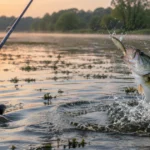
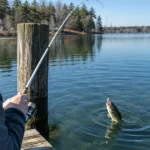
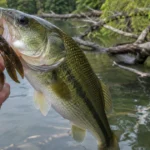
The month of June marks a significant transition in the world of bass fishing. As temperatures rise and aquatic environments undergo changes, understanding bass behavior becomes essential for anglers seeking a successful fishing experience. During this period, bass are increasingly active and feeding aggressively due to warmer waters and increased daylight hours. This heightened activity presents a prime opportunity for anglers to leverage different fishing techniques and lures to maximize their catch.
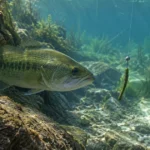
One of the most important factors to consider in June is the seasonal change that influences the bass metabolism and feeding patterns. As the water warms, bass tend to move into shallower areas, particularly around vegetation, rocks, and docks, where they find ample cover and food sources. Consequently, bait selection plays a pivotal role in targeting these areas effectively. Anglers should consider using lures that mimic the natural prey of bass during this time, such as frogs and wacky rigs, to entice the fish into biting.
Furthermore, June presents unique conditions with varying water levels and aquatic vegetation growth. These elements not only impact the bass’s location but also dictate the effectiveness of different lures. For example, crankbaits can be particularly effective for covering larger areas and searching for active schools of bass, while deep water baits may yield better results as bass seek cooler depths during the hotter parts of the day. Tailoring the choice of lures to the specific conditions on the water significantly enhances the likelihood of a successful fishing outing in June.
Why Frogs are Top Lures in June
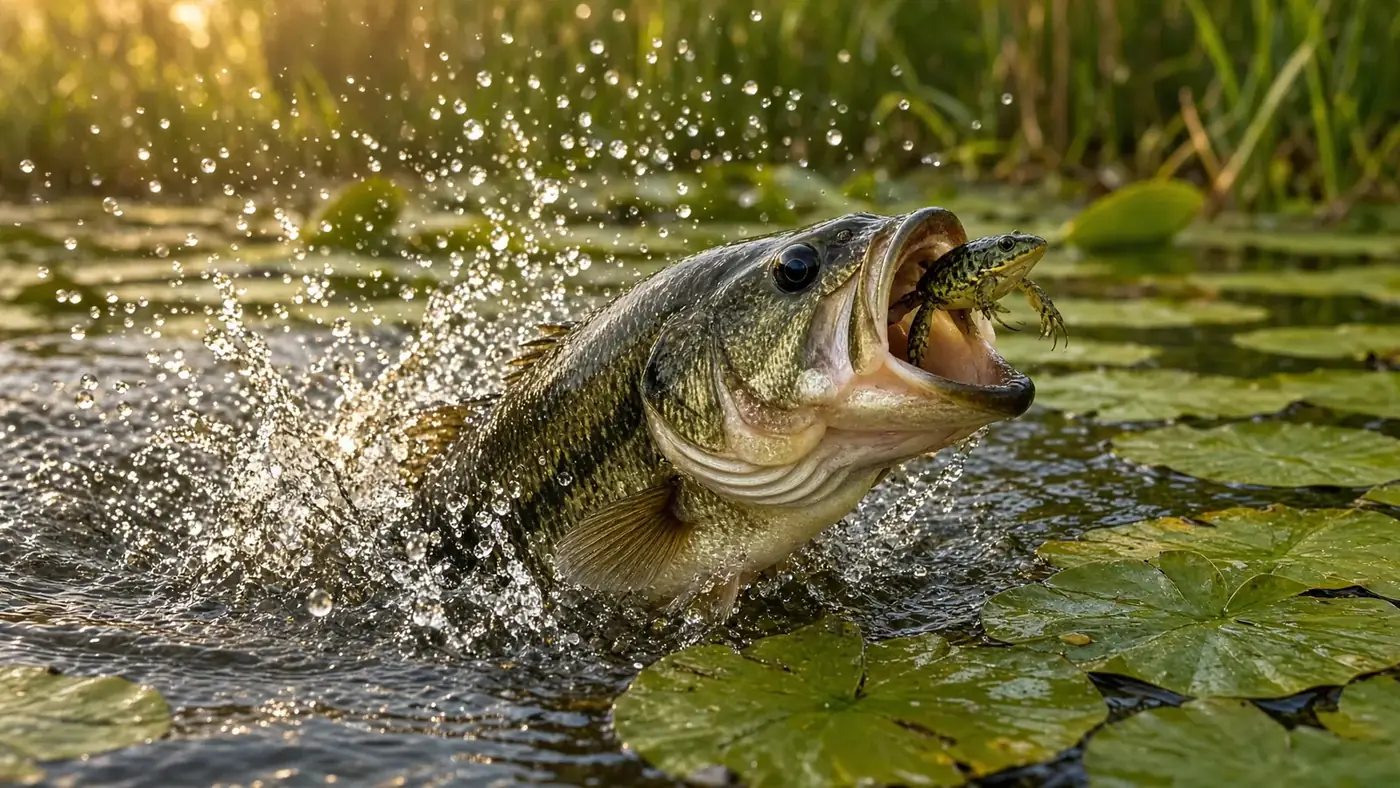
Frog lures have established themselves as a go-to option for anglers during the month of June. The primary factor contributing to their effectiveness is the environmental setting in which they are utilized. As summer approaches, water temperatures begin to rise, which triggers increased bass activity. Furthermore, the abundant growth of vegetation in and around water bodies provides an ideal habitat for frog lures, mimicking the natural prey bass are actively seeking.
When fishing with frogs, it is essential to focus on areas with heavy cover, such as lily pads, grass mats, and submerged vegetation. These spots provide the perfect ambush points for bass, and using a frog lure in these areas increases the likelihood of successful catches. Given the frogs’ design, they can be effectively worked directly across the surface of the water, allowing anglers to target bass hidden beneath the vegetation.
For optimal results, utilizing specific casting techniques can enhance your frog fishing experience. It is beneficial to practice long, accurate casts that allow the lure to land quietly on the water’s surface, preventing disturbance that may alert nearby fish. Once cast, the retrieval method plays a crucial role; a steady, rhythmic retrieve often entices bass to strike. Experimenting with varying speeds and occasional pauses can make the lure appear more lifelike, engaging the fish more effectively.
In summary, the frog lure’s design and functionality align perfectly with the conditions of June, making them a favorite among bass anglers. By targeting the right environments and employing effective casting and retrieval techniques, fishermen can significantly enhance their chances of success when using these top lures during the summer months.
The Versatility of Wacky Rigs
Wacky rigs have become a popular choice among anglers for bass fishing, particularly in June, due to their exceptional versatility and effectiveness in various water conditions. This method involves rigging a soft plastic bait, typically a worm, through its middle with a hook, allowing it to fall and sway naturally underwater. The unique presentation of wacky rigs makes them especially enticing for bass, as the subtle movements often provoke aggressive strikes from these fish.
One of the primary advantages of using wacky rigs is their adaptability to different environments. Whether fishing in shallow, weedy areas or deeper structures, wacky rigs can be successfully employed across a range of settings. In warmer waters of June, bass tend to move into shallower regions; thus, a wacky rig can effectively catch their attention when fished around cover like docks, fallen trees, and rocky banks. Additionally, when targeting deeper waters or reservoirs, wacky rigs can still shine. By adjusting the weight of the hook or adding a split shot, anglers can effectively reach and entice bass lurking at greater depths.
To maximize the effectiveness of wacky rigs, anglers should consider the size and color of the bait used. Lighter colors can be more effective on bright days, while darker tones may work better in murky water. Rigging techniques can vary, with some opting for a traditional hook style, while others may prefer using offset hooks, which can prevent snagging in weedy environments. Regardless of the specific technique, the key lies in maintaining the natural, subtle fall of the bait. Properly executed, wacky rigs entice bass not only due to their appearance but also due to their realistic movement, making them an indispensable tool for anglers throughout June.
Crankbaits: A June Essential
Crankbaits serve as a fundamental tool for anglers during the month of June, when water temperatures begin to rise and bass become more active. The warm waters of June typically lead to fish moving towards shallower depths, enhancing the effectiveness of crankbaits. Selecting the right crankbait is vital to successful bass fishing, and understanding the relationship between water temperature and fish depth can greatly influence this choice.
During this period, one may encounter a variety of crankbait types including shallow-diving, medium-diving, and deep-diving models. Each type is designed to achieve different depths when retrieved, allowing anglers to target bass at various levels in the water column. Shallow-diving crankbaits are particularly effective in warmer water, as they mimic the natural prey found near the surface. In contrast, medium and deep-diving crankbaits can be utilized to reach fish that are suspended at deeper depths, especially during the peak heat of the day when bass might seek cooler waters.
In terms of action, crankbaits can feature a wide array of characteristics from rattling to silent models. The choice of action influences how the bait behaves in water, making it crucial to match the crankbait’s action with the current conditions. For instance, during high activity periods, a loud, vibrating crankbait can draw the attention of nearby bass. Conversely, in calmer conditions, a subtler, silent model may prove more effective.
Anglers should also focus on the retrieval speed when using crankbaits. A steady, moderate retrieve generally works well, but incorporating pauses or varying the speed can trigger strikes from bass that may be reluctant to commit. Additionally, casting near structure, such as wooden cover or rocky banks, is essential, as these areas often shelter bass during the warmer months. Employing crankbaits in strategic locations can significantly enhance catch rates during the month of June.
Techniques for Deep Water Baits
As summer progresses, many bass tend to retreat to cooler, deeper waters, making it vital for anglers to adapt their strategies using deep water baits. To effectively target bass in these depths, an understanding of their behavior and the right techniques for lure application is critical.
Locating deep bass can be accomplished by identifying areas with underwater structure, such as drop-offs, ledges, and submerged vegetation. These sites often provide the necessary shade and cooler temperatures that bass seek during the warm summer months. Using sonar technology can significantly enhance your ability to pinpoint these locations. Once the structure has been located, anglers should approach these spots quietly to avoid spooking the fish.
When it comes to the types of lures that perform best for deep water fishing, several options should be considered. Crankbaits, particularly those designed for deepwater depths, can be highly effective; these lures can mimic the movement of baitfish found in these cooler layers, provoking a reaction strike from bass. Additionally, jigs and soft plastics can be excellent choices, especially when rigged appropriately. For instance, Texas-rigged or Carolina-rigged baits can penetrate structure more effectively, allowing for a targeted presentation.
Another vital technique is to utilize a slow, steady retrieve. Given that bass are often less aggressive in deeper waters, a deliberate presentation that allows the fish to inspect the lure can lead to increased catch rates. Use weight adjustments to ensure the bait reaches the desired depth quickly. Keep an eye on your line for any subtle movements; deep water bites can often feel very different from shallow water strikes.
In conclusion, mastering techniques for using deep water baits greatly enhances the chances of successfully targeting bass during summer months. With the right strategies and lures, anglers can navigate deeper waters effectively and improve their fishing success.
Comparing Lure Types: Which to Choose?
When selecting the appropriate bass fishing lure, understanding the various types and their applications is crucial for increasing catch rates. The four primary lure types—frogs, wacky rigs, crankbaits, and deep water baits—each have their advantages, depending on specific factors such as water conditions, time of day, and the behavior of bass.
Frogs are particularly effective in heavy cover, such as lily pads or thick weeds, especially during the summer months. They work best during the early morning or late evening when bass are actively feeding on surface insects or baitfish. Anglers should opt for frogs when the water temperatures are high and fishing in areas with abundant vegetation.
Wacky rigs, with their simple yet effective presentation, are excellent for targeting bass in a variety of conditions. This lure type shines during midday when bass retreat to deeper waters or shady spots. The slow, wobbly motion of a wacky rig mimics an injured baitfish, enticing lethargic bass who may not be active in the warmer part of the day. These rigs work well in both shallow and deeper waters, thanks to their versatility.
Crankbaits are suitable for covering large areas of water quickly. They are particularly beneficial during the late spring through summer, when bass are roaming in search of food. The timed retrieval of crankbaits, normally around midday, can yield substantial results if bass are in a feeding frenzy. They can be fished at varying depths, making them a great choice for adapting to changing water levels.
Finally, deep water baits are essential for fishing during periods when bass move to cooler depths. During the summer, when surface temperatures rise significantly, using deep water lures can lead to a successful day on the lake. They should be utilized during any time of the day, particularly when targeting structure-rich areas where bass tend to hide.
In conclusion, knowing when and why to choose a specific lure type can significantly enhance an angler’s success rate. Assessing current water conditions, the time of day, and the behavior of bass will guide decisions on which lures to deploy effectively.
Combining Lure Techniques for Success
In the realm of bass fishing, mastering the art of lure selection can significantly enhance your chances of landing a catch. One effective strategy is combining different lure techniques to increase versatility and presentation. By mixing various types of lures such as frogs, wacky rigs, crankbaits, and deep water baits, anglers can adapt to the changing conditions and behaviors of bass.
For instance, during the early morning hours, topwater lures like frogs can provoke aggressive reactions from bass that are active near the surface. As the sun rises and the surface activity decreases, transitioning to a wacky rig allows for a more subtle approach, targeting bass that may be lurking in shaded areas or near structure. This switch can often entice bites when the fish become less willing to chase fast-moving lures.
Similarly, crankbaits can be utilized to cover open water efficiently, enabling anglers to locate schools of bass quickly. However, once a productive area is identified, it can be beneficial to employ deep water baits to reach fish that dive deeper as the day progresses. The combination of the two techniques serves to maximize both the search for fish and the ability to present lures effectively to varying depth ranges.
Additionally, during adverse weather conditions, such as overcast skies or after heavy rain, the activity level of bass may fluctuate. In such scenarios, utilizing a mix of loud, rattling crankbaits followed by soft, finesse presentations like a wacky rig can be particularly effective. This varied approach enables anglers to gauge the mood of the fish and adjust their tactics accordingly, ultimately leading to an improved fishing experience.
Incorporating a diverse range of lures and techniques is not only about quantity but also the ability to respond dynamically to the environment. By utilizing multiple lure types, anglers can enhance their effectiveness and enjoyment on the water, leading to better fishing outcomes overall.
Top Brands and Models to Consider
When it comes to bass fishing in June, selecting the right lures is crucial for a successful outing. Several brands and models have gained popularity among anglers for their effectiveness and quality. Here, we delve into some of the leading brands and their exemplary products.
Frogs: One of the top names in frog lures is Stanley Jigs. Their Stanley Ribbit frog is well-regarded for its soft body and realistic movement, mimicking an injured baitfish effectively. Anglers appreciate its ability to navigate through heavy cover without snagging. Another noteworthy option is Gambler with the Hollow Body Frog, which features a unique design that enhances its buoyancy and realism, making it perfect for summer topwater fishing.
Wacky Rigs: For wacky rigs, the Yamamoto Senko stands out for its versatility and lifelike action in the water. Many anglers swear by its effectiveness in June when bass are actively feeding. Another commendable choice is the Zoom U-Tale, which offers a heavy tail action that can entice even the most finicky bass, making it a staple in many tackle boxes.
Crankbaits: Among crankbaits, Strike King is a preferred brand. Models like the KVD 1.5 are sought after for their excellent diving depth and realistic swimming action. They are particularly effective in shallower waters. Berkley also produces the Blinky Shad, known for its vibrant colors and enticing rattles that draw bass from a distance, especially during warmer months.
Deep Water Baits: Lastly, for deep water fishing, the Lucky Craft Pointer 78 has earned a reputation as a must-have. Its suspending action and lifelike detail make it perfect for targeting bass in deeper waters where they tend to hide in June. Similarly, Rapala with their DT Series crankbaits is favored for reaching various depths, enabling anglers to effectively target bass during hot summer days.
These brands and models not only provide great selectivity for bass in the June fishing conditions, but they also combine durability and performance, making them worthy of consideration for your next fishing trip.
Conclusion: Mastering June Bass Fishing
As we have explored throughout this blog post, selecting the right lures is paramount for successful bass fishing during the month of June. The warm waters and active fishing conditions during this time create an ideal environment for various bass species. By utilizing lures such as frogs, wacky rigs, crankbaits, and deep water baits, anglers can significantly enhance their chances of landing more bass.
The effectiveness of these lures can greatly differ based on local conditions, fish behavior, and water clarity. Therefore, experimenting with each lure type can provide valuable insights into what works best in your specific fishing location. Frogs excel in weedy or lily-covered areas, while wacky rigs offer versatility in both shallow and deeper waters. Crankbaits can attract attention from a considerable distance, making them excellent for covering large areas. Additionally, deep water baits are essential for targeting bass that tend to stay submerged during hotter days.
It is also crucial to remain adaptable and adjust your techniques based on the day’s conditions. The utilization of varying retrieval speeds, colors, and lure sizes can yield different results, keeping you engaged with the fishing process. The joy of fishing lies in the exploration and experimentation with different strategies. As you head out to the water this June, remember the insights shared here and take the opportunity to refine your bass fishing approach.
In conclusion, the right tools and techniques can transform your fishing experience. By employing the appropriate lures, maintaining an adaptive mindset, and understanding bass behavior, you can significantly improve your fishing outcomes this June. Happy fishing!