Summer bass fishing can be amazing, but it can also be frustrating.
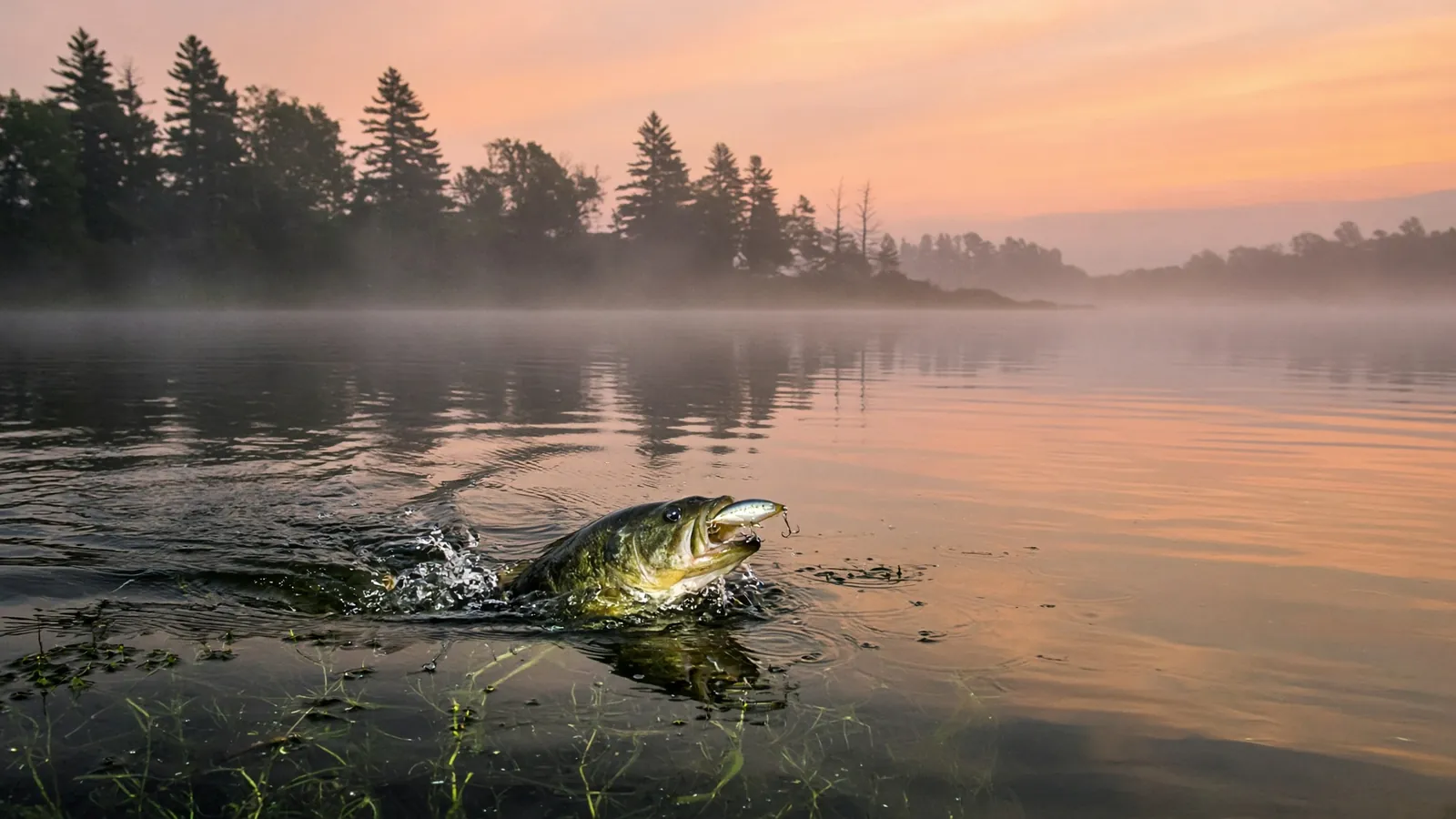
One day bass are blowing up on topwater at sunrise. The next day the lake feels dead by 10 a.m. The water is hot, boat traffic is everywhere, the sun is high, and the fish seem to disappear.
That is why choosing the best bass lures for summer matters so much.
In summer, bass do not always stop feeding. They simply change where they feed, when they feed, and how willing they are to chase. Some bass move deeper. Some bury themselves in grass. Some hide under docks. Some feed early and late. Some suspend around baitfish. Others wait in shade and ambush anything that looks easy.
The mistake many anglers make is using the same lure the same way all day.
Summer bass fishing rewards anglers who adapt.
This guide breaks down the best bass lures for summer, when to use them, where to throw them, and how to fish them so you can catch more largemouth bass even when the heat makes fishing tough.
Why Summer Bass Fishing Is Different
Before choosing lures, you need to understand what changes in summer.
As water temperatures rise, bass become more affected by oxygen, sunlight, shade, baitfish movement, fishing pressure, and water depth.
In many lakes and ponds, summer bass follow a few common patterns:
- They feed shallow early in the morning.
- They move to shade when the sun gets high.
- They bury into grass and vegetation.
- They hold around docks, trees, and laydowns.
- They move deeper near points, ledges, and drop-offs.
- They chase baitfish when conditions are right.
- They become more selective in clear, pressured water.
This means there is no single “magic summer lure.”
The best summer bass lure depends on the situation.
If bass are feeding on the surface, a topwater lure can be deadly. If they are buried in thick grass, a hollow body frog or Texas rig may be better. If they are deep, a jig, worm, drop shot, or deep crankbait may outperform everything else.
The goal is not to own every lure. The goal is to know which lure solves which problem.
1. Soft Plastic Worm
If you are not sure what to throw in summer, start with a soft plastic worm.
A soft plastic worm is one of the most reliable bass lures ever made. It works in ponds, lakes, rivers, reservoirs, grass, docks, rocks, shallow water, and deep water.
In summer, worms are especially powerful because they can be fished slowly when bass do not want to chase.
Best Ways to Rig a Worm in Summer
The most useful summer worm rigs are:
- Texas rig
- Weightless stick bait
- Wacky rig
- Carolina rig
- Shaky head
- Drop shot
For beginners, the Texas rig and wacky rig are the easiest to start with.
A Texas rig is weedless and works around grass, wood, brush, and shallow cover. A wacky rig is excellent around docks, clear water, and pressured bass.
Best Summer Worm Colors
Good worm colors for summer include:
- Green pumpkin
- Watermelon red
- Junebug
- Black and blue
- Plum
- Red bug
- Natural shad colors
In clear water, use natural colors like green pumpkin or watermelon. In dirty water, use darker colors like black and blue or junebug.
Where to Fish It
Throw a soft plastic worm around:
- Grass edges
- Docks
- Laydowns
- Lily pads
- Brush piles
- Shaded banks
- Pond corners
- Deep points
- Drop-offs
The key is patience. Many anglers fish worms too fast. Let the bait fall, pause, lift it slowly, then let it fall again.
Many summer bass bite on the fall.
2. Hollow Body Frog
A hollow body frog is one of the most exciting summer bass lures.
When bass are buried under grass, lily pads, duckweed, or matted vegetation, many normal lures get stuck. A frog is designed to slide across the top of that cover without snagging.
And when a bass explodes on it, you will not forget it.
When to Use a Frog
Use a frog when you see:
- Lily pads
- Thick grass mats
- Duckweed
- Shallow vegetation
- Bank grass
- Bluegill activity
- Frogs near the shoreline
- Calm water early or late in the day
Frogs can work all day in heavy cover, but they are especially strong early morning, evening, and cloudy days.
How to Fish a Frog
Cast the frog over the vegetation and work it slowly.
Do not just reel it straight back. Use small twitches with your rod tip to make it walk, hop, or pause.
When a bass blows up on the frog, do not set the hook instantly. This is where beginners lose fish.
Wait until you feel the weight of the bass, then set the hook hard.
Frog fishing usually requires heavier gear because you need to pull bass out of thick vegetation.
3. Jig
A jig is one of the best summer bass lures when you want bigger bites.
It imitates crawfish, bluegill, and bottom-dwelling prey. It can be fished shallow, deep, fast, slow, around cover, or on structure.
In summer, a jig works especially well around shade, docks, rocks, brush, grass edges, and deeper structure.
Best Summer Jig Types
Useful summer jigs include:
- Flipping jig
- Football jig
- Swim jig
- Grass jig
- Compact finesse jig
A flipping jig is great around heavy cover. A football jig works well on rocks and deep structure. A swim jig is excellent around grass and shallow cover when bass are willing to chase.
Best Jig Colors
Use colors that match the water and forage.
Good summer jig colors include:
- Green pumpkin
- Black and blue
- Brown
- Bluegill
- Watermelon
- Crawfish patterns
In clear water, choose natural colors. In muddy water or heavy shade, black and blue is hard to beat.
How to Fish a Jig in Summer
Cast it near cover, let it hit bottom, then hop, drag, or shake it slowly.
Around docks and laydowns, pitch the jig into the shade and let it fall naturally. Many bites happen on the first fall.
In deeper water, drag a football jig along rocks, points, or ledges.
A jig is not always the easiest lure for beginners, but it teaches you how to feel the bottom and detect subtle bites. That skill makes you a better bass angler fast.
4. Topwater Walking Bait
Topwater lures can be incredible in summer, especially during low-light conditions.
A walking bait is designed to glide side to side across the surface. This action looks like a wounded baitfish, and summer bass often cannot resist it when they are feeding near the top.
Best Times to Use Topwater
Topwater is strongest:
- Early morning
- Late evening
- Cloudy days
- Before storms
- Around schooling baitfish
- Near shallow points
- Over submerged grass
- Around docks and shade
If you see baitfish flickering or bass breaking the surface, pick up a topwater bait quickly.
How to Fish It
Use a walk-the-dog retrieve.
Twitch the rod tip while reeling in slack line. The lure should move left and right.
Start with a steady rhythm. If bass follow but do not strike, add pauses. Sometimes a one-second pause is all it takes.
Topwater fishing is visual and exciting, but do not rely on it all day under bright sun unless bass are clearly feeding near the surface.
5. Spinnerbait
A spinnerbait is a classic summer bass lure because it combines flash, vibration, and movement.
It works especially well when bass are active, when the water is stained, or when there is wind.
Many beginners underestimate spinnerbaits because they look strange. But bass do not see the bait the way we do. They feel the vibration, see the flash, and react.
When to Use a Spinnerbait
Throw a spinnerbait around:
- Windy banks
- Grass edges
- Stained water
- Shallow wood
- Laydowns
- Riprap
- Cloudy conditions
- Baitfish activity
Wind is your friend with a spinnerbait. A little chop on the water makes bass less cautious and helps hide the lure.
Best Spinnerbait Colors
Good summer colors include:
- White
- White and chartreuse
- Chartreuse
- Bluegill
- Shad
- Black for low light
If bass are eating shad, use white or shad colors. If the water is dirty, add chartreuse. If fishing at night or very low light, black can be strong.
How to Fish It
Cast it near cover and reel it steadily.
Try to bump grass, wood, rocks, or dock posts. A spinnerbait often gets bit when it changes direction after touching cover.
If fish are following but not biting, slow down, speed up, or add a quick pause.
6. Deep Diving Crankbait
When summer bass move deep, a deep diving crankbait can catch fish fast.
This lure is designed to dive down and cover water. It is especially useful on offshore structure like points, ledges, humps, roadbeds, and deep rock.
Deep cranking is not always the easiest beginner technique, but it can be very productive in summer.
Where to Use It
Use a deep crankbait around:
- Main lake points
- Drop-offs
- Ledges
- Deep rock
- Offshore humps
- Channel swings
- Deep grass edges
The lure should hit bottom or deflect off cover. If it is just swimming through empty water, it may not trigger many bites.
Best Colors
Good crankbait colors include:
- Shad
- Sexy shad
- Chartreuse blue back
- Crawfish
- Bluegill
- Natural baitfish
Use natural shad colors in clear water. Use brighter colors in stained water.
How to Fish It
Cast far, crank the lure down, and keep it near the bottom.
When it hits rock, grass, or cover, keep contact but do not panic. Many bites happen right after the lure deflects.
A deep crankbait can wear you out, but when bass are grouped deep, it can produce multiple fish quickly.
7. Drop Shot
The drop shot is one of the best summer bass lures and rigs for pressured, deep, or clear water bass.
It is a finesse technique, meaning it is subtle and natural. When bass are not aggressive, a drop shot can get bites when power fishing fails.
Why It Works in Summer
In hot weather, bass often suspend, move deep, or become less willing to chase big fast-moving baits.
A drop shot keeps the bait in the strike zone and makes it look easy to eat.
Best Drop Shot Baits
Good drop shot baits include:
- Finesse worms
- Minnow-style plastics
- Small shad baits
- Roboworm-style worms
- Small craws
- Nose-hooked soft plastics
Where to Fish It
Use a drop shot around:
- Deep points
- Docks
- Clear water
- Brush piles
- Ledges
- Rock piles
- Suspended bass
- Pressured ponds
Fish it slowly. Shake the bait gently without moving the weight too much.
The drop shot is not flashy, but it catches bass when other lures are too aggressive.
8. Swim Jig
A swim jig is a great summer lure when bass are near grass, bluegill, or shallow cover.
Unlike a regular jig that is often dragged or hopped, a swim jig is reeled through the water column.
It is more subtle than a spinnerbait but still covers water well.
When to Use a Swim Jig
Use a swim jig when:
- Bass are feeding around grass
- Bluegill are shallow
- Water is clear to slightly stained
- Bass are pressured
- You need something more natural than a spinnerbait
- You are fishing around vegetation
Best Colors
Good swim jig colors include:
- Bluegill
- Green pumpkin
- White
- Black and blue
- Shad
If bass are eating bluegill near grass, a bluegill-colored swim jig can be excellent.
How to Fish It
Cast it around grass edges, docks, or shallow cover and reel steadily.
You can add small rod twitches to make it flare and change direction.
If it contacts grass, rip it free. That sudden movement often triggers a strike.
9. Buzzbait
A buzzbait is a topwater lure that creates noise and surface disturbance.
It is excellent for covering shallow water fast, especially early in the morning, late evening, or during low-light conditions.
When to Use a Buzzbait
Throw a buzzbait when:
- The water is warm
- Bass are shallow
- There is low light
- There is light chop
- Bass are aggressive
- You want to cover water quickly
Buzzbaits are great around banks, grass, wood, docks, and shallow flats.
Best Colors
Simple is best:
- Black
- White
- White/chartreuse
Use black in low light or dirty water. Use white or white/chartreuse when bass are feeding on baitfish.
How to Fish It
Cast it out and start reeling immediately so it stays on the surface.
Keep a steady retrieve. If a bass misses it, throw a follow-up bait like a soft plastic worm or wacky rig to the same spot.
Many bass will come back and eat the slower bait.
10. Texas Rig Craw
A Texas rig craw is a powerful summer bait because it can go where many lures cannot.
It works in grass, wood, brush, docks, rocks, and shallow cover. It imitates crawfish and bluegill, two important bass meals.
When to Use It
Use a Texas rig craw when bass are:
- In thick cover
- Around wood
- In grass
- Under docks
- Near rocks
- Not chasing fast lures
How to Fish It
Pitch or cast the craw near cover. Let it fall. Hop it once or twice. Pause.
If nothing bites, reel in and make another accurate cast.
This is not a lure you need to drag for 50 feet every time. In summer, many bites happen close to cover within the first few seconds.
Accuracy matters more than distance.
How to Choose the Right Summer Bass Lure
Here is a simple decision guide.
If Bass Are Feeding on Top
Use:
- Walking bait
- Buzzbait
- Popper
- Frog
If Bass Are in Thick Grass
Use:
- Hollow body frog
- Texas rig
- Swim jig
- Punch rig
If Bass Are Under Docks
Use:
- Wacky rig
- Jig
- Texas rig worm
- Drop shot
If Bass Are Deep
Use:
- Deep crankbait
- Football jig
- Carolina rig
- Drop shot
- Big worm
If Water Is Muddy
Use:
- Spinnerbait
- Black and blue jig
- Chartreuse crankbait
- Dark worm
- Buzzbait
If Water Is Clear
Use:
- Drop shot
- Wacky rig
- Natural worm
- Swim jig
- Topwater walking bait
If Fishing Is Slow
Use:
- Finesse worm
- Drop shot
- Wacky rig
- Small jig
- Slow Texas rig
This is how you stop guessing. Match the lure to the condition.
Biggest Mistakes With Summer Bass Lures
Choosing the right lure is important, but using it wrong can still ruin your day.
Here are the most common summer lure mistakes.
Fishing Too Fast All Day
Fast lures can work, but summer bass often want slower presentations when the sun is high. Slow down with worms, jigs, and drop shots.
Ignoring Shade
Shade is a big deal in summer. Docks, trees, grass mats, and overhanging banks can all hold bass.
Using Topwater Too Late in Bright Sun
Topwater can work all day in some situations, but beginners often waste hours throwing it after bass have moved deeper or buried in cover.
Not Fishing Deep Enough
Some summer bass stay shallow, but many move deeper during the day. If shallow cover is not working, try points, ledges, and deeper structure.
Changing Lures Too Often
Do not switch every five minutes. Change when you have a reason. First adjust location, retrieve speed, depth, and casting angle.
Using the Wrong Color for Water Clarity
Natural colors usually work better in clear water. Dark or bright colors often perform better in stained or muddy water.
Best Beginner Summer Bass Lure Setup
If you are a beginner and want a simple summer tackle box, start with this:
- Green pumpkin stick worms
- Texas rig worms
- Black and blue jig
- White spinnerbait
- Hollow body frog
- Shad crankbait
- Topwater walking bait
- Drop shot finesse worms
- Swim jig
- Buzzbait
With these lures, you can fish shallow, deep, clear water, muddy water, grass, docks, rocks, and summer heat.
You do not need every color and size at first. Learn when and where to use each lure. That matters more than collecting tackle.
Want a Complete Bass Fishing System?
Summer bass fishing gets easier when you understand why bass move, what they eat, and which lure matches each situation.
That is exactly why I created Bass Fishing Mastery.
Inside the guide, you will learn how to choose lures, avoid common mistakes, understand seasonal patterns, and make better decisions on the water.
If bass fishing is your main focus and you want fewer wasted trips, check out the full guide here:
Bass Fishing Mastery: https://davidpro.fr/bassfishingmastery
FAQ: Best Bass Lures for Summer
What is the best bass lure for summer?
A soft plastic worm is one of the best all-around bass lures for summer because it works shallow, deep, around cover, and when bass are not aggressive.
Are topwater lures good for summer bass?
Yes. Topwater lures are excellent in summer, especially early morning, late evening, cloudy days, and around shallow cover or surface-feeding bass.
What color lure is best for summer bass?
In clear water, use natural colors like green pumpkin, watermelon, shad, or bluegill. In stained or muddy water, use black and blue, junebug, chartreuse, or white/chartreuse.
What lure should I use when bass are in grass?
Use a hollow body frog over thick grass, a Texas rig through vegetation, or a swim jig along grass edges.
What lure should I use for deep summer bass?
Deep crankbaits, football jigs, Carolina rigs, drop shots, and big worms are all strong choices for deep summer bass.
Why are bass hard to catch in summer?
Bass can become harder to catch in summer because of heat, bright sun, boat traffic, fishing pressure, low oxygen, and changing feeding windows. You need to adjust depth, lure speed, and location.
Do bass bite during the middle of the day in summer?
Yes, but they are often deeper, in shade, or buried in cover. Slow presentations like worms, jigs, and drop shots can work well during midday heat.
Final Thoughts
The best bass lures for summer are not just the ones that look good in a tackle box. They are the ones that match the conditions in front of you.
If bass are shallow and aggressive, throw topwater, buzzbaits, spinnerbaits, or swim jigs.
If bass are buried in cover, use frogs, Texas rigs, and jigs.
If bass are deep or pressured, slow down with drop shots, worms, football jigs, and deep crankbaits.
Summer bass fishing is not about guessing. It is about reading the water, choosing the right lure, and making small adjustments until the fish tell you what they want.
Master that, and you will catch more bass when most anglers are blaming the heat.