Understanding Largemouth Bass
Largemouth bass (Micropterus salmoides) are a distinguished species of freshwater fish, celebrated for their distinctive appearance and aggressive behavior. They are characterized by their elongated bodies, which can grow up to 24 inches or more in length, and their notable, expansive mouths that enable them to consume larger prey. The coloration of the largemouth bass typically features a dark green or black upper body, which transitions to a lighter belly, accentuated by a series of horizontal dark stripes along their sides. This coloration aids their camouflage within their natural habitats, providing an advantage when hunting or avoiding predators.
These versatile fish inhabit a variety of aquatic environments, primarily preferring warm, shallow waters with abundant vegetation. Common habitats include lakes, rivers, ponds, and reservoirs, where they often seek cover near structures such as fallen trees, rocks, and lily pads. Largemouth bass are known for their seasonal movements; they tend to be more active and nearer to the surface during warm months, particularly during spawning seasons, which typically occur in spring when water temperatures rise.
Behaviorally, largemouth bass are opportunistic feeders, exhibiting predatory tendencies that make them appealing to anglers. They are known to strike aggressively at both live bait and artificial lures, making them a challenging and enjoyable target for fishing enthusiasts. Their predation patterns often include ambushing prey, particularly during dawn and dusk when they are most active. The appeal of the largemouth bass extends beyond its size and strength; it is also highly regarded for its fight, providing an exhilarating experience for those who catch them. These characteristics contribute to their popularity among recreational anglers, making them one of the most sought-after freshwater species in North America.
Essential Fishing Gear for Beginners
When embarking on your journey to catch largemouth bass, having the right fishing gear is paramount to your success. This section will outline the essential equipment needed for bass fishing, tailored specifically for beginners. Emphasis will be placed on essential items such as rods, reels, lines, lures, and other accessories.
First and foremost, the fishing rod is your primary tool. A medium-action rod, typically ranging from 6 to 7 feet in length, is highly recommended for beginners. This length provides a good balance between casting distance and control, crucial elements when targeting largemouth bass. Pair your rod with a spinning reel or baitcasting reel, depending on your preference and budget. Spinning reels are generally easier for newcomers to handle, making them a popular choice.
Next, selecting the proper fishing line is essential. A braided line with a strength of around 30 to 50-pound test is recommended due to its durability and sensitivity. This will allow you to feel even the slightest nibble. Alternatively, monofilament lines, ranging from 10 to 20-pound test, are suitable for beginners, offering ease of handling and knot tying.
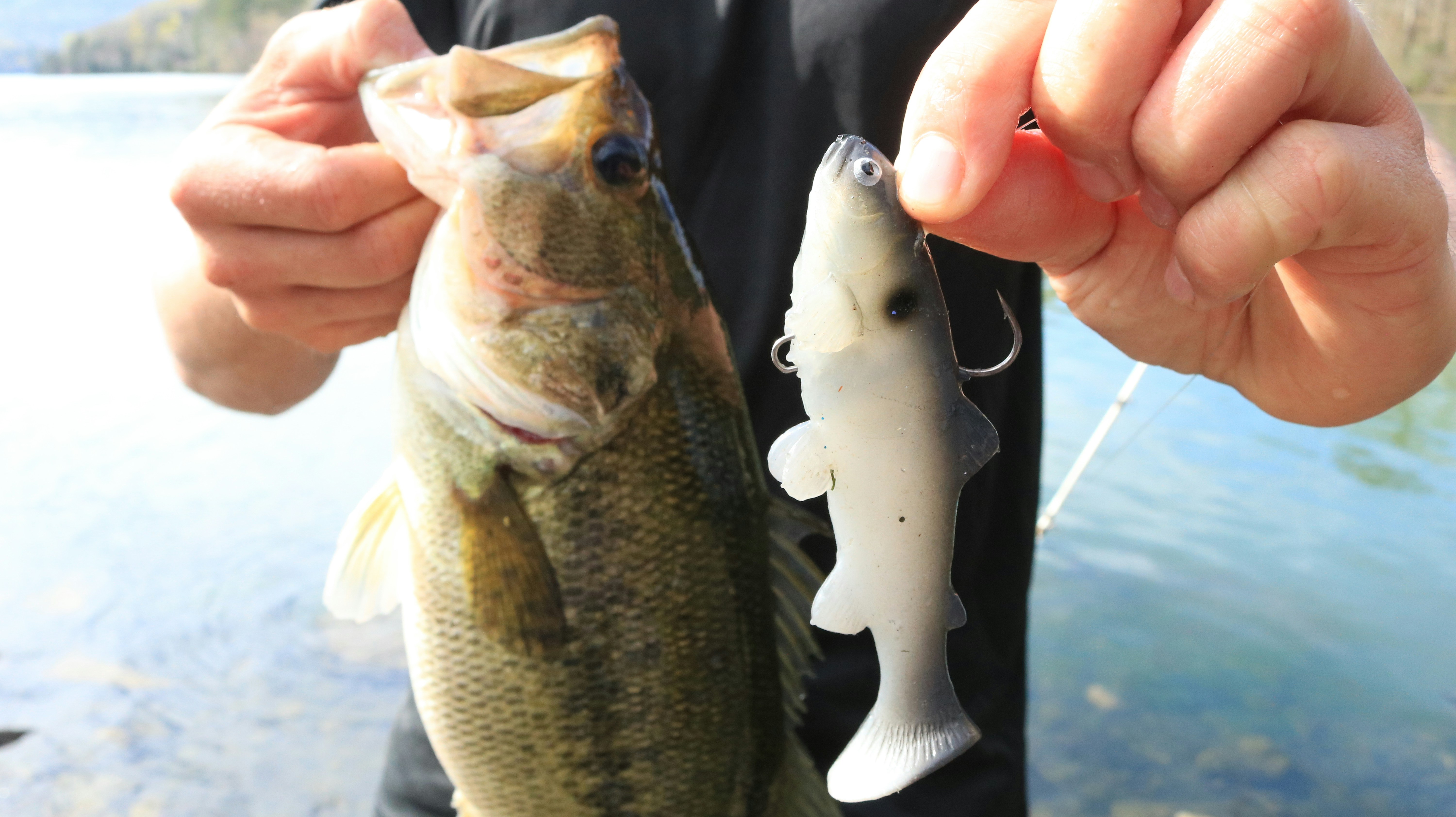
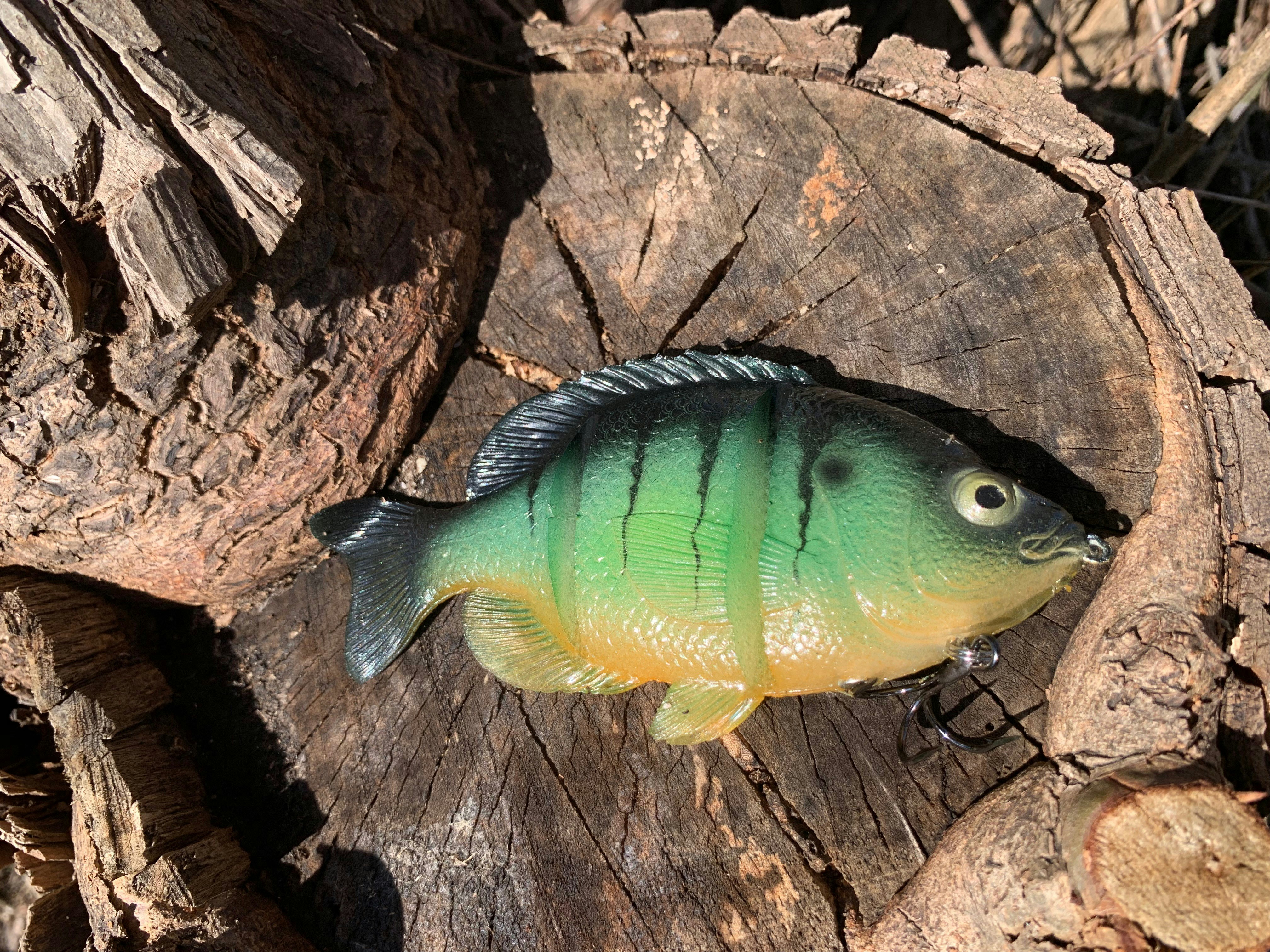
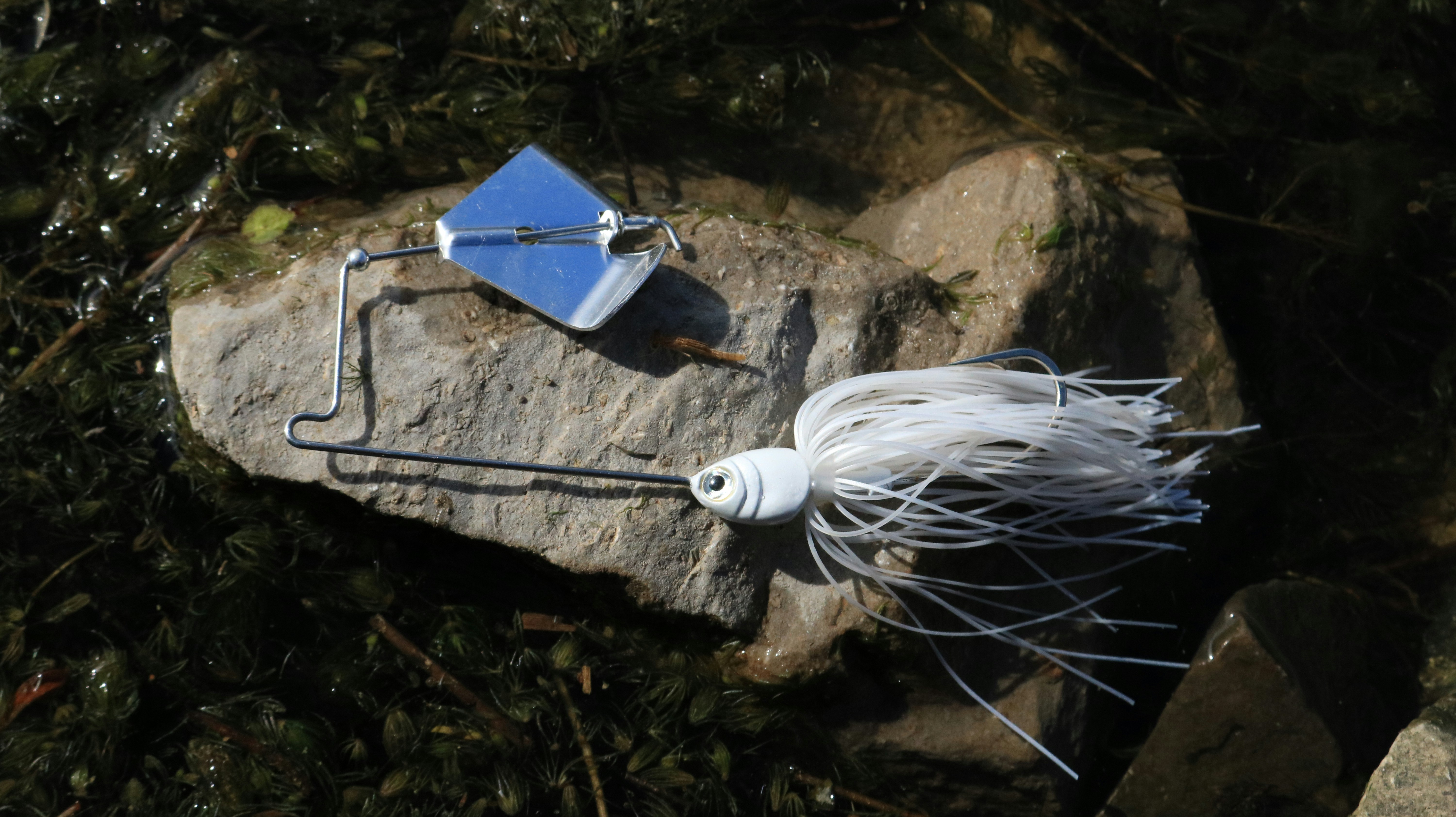
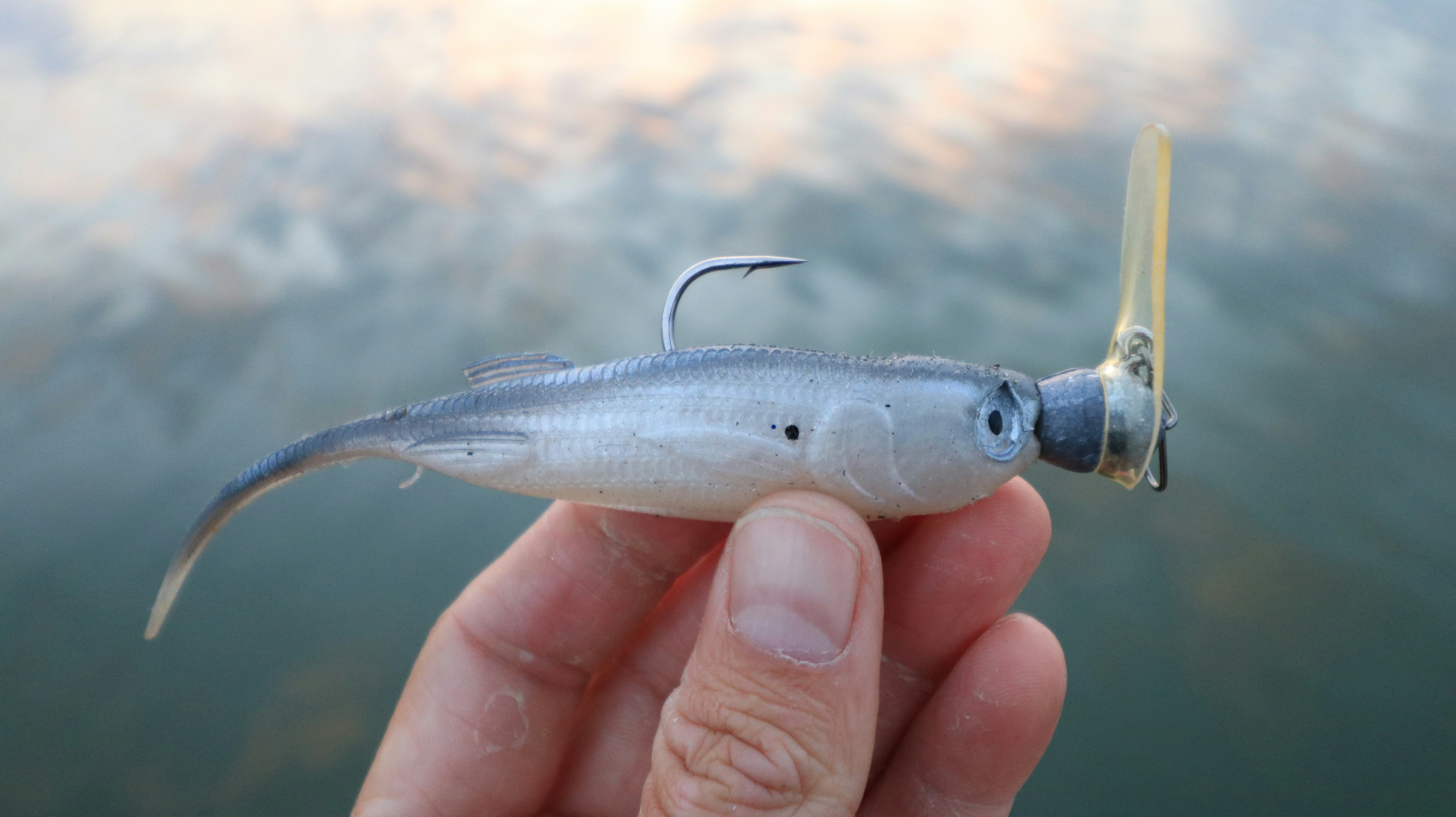
Lures play a significant role in attracting largemouth bass. Common choices for beginners include plastic worms, crankbaits, and spinnerbaits. Each lure mimics prey in different ways, allowing you to experiment and discover what works best in your chosen fishing environment. It is wise to have a variety of these lures in your tackle box.
Finally, don’t overlook essential accessories such as fishing pliers, a tackle box for organization, and a good pair of polarized sunglasses to reduce glare on the water. The right gear enhances your fishing experience, increases efficiency, and ultimately helps you reel in that prized largemouth bass.
Best Locations for Catching Largemouth Bass
Catching largemouth bass often hinges on selecting the right fishing location. Freshwater bodies such as lakes, ponds, and rivers serve as popular habitats for this species. The presence of specific environmental factors significantly influences these locations’ productivity for fishing enthusiasts.
Firstly, water temperature plays a critical role in the behavior and activity levels of largemouth bass. They tend to thrive in water temperatures ranging between 65°F to 75°F. Consequently, warmer months provide optimal conditions as bass become more active and are more likely to be found in shallow areas, particularly near structures and vegetation. Therefore, local weather and seasonal changes should inform potential fishing outings.
Vegetation is another vital contributor to successful catches. Largemouth bass often seek shelter among water plants, which offer protection and hunting grounds for their prey. Areas where submerged or emergent vegetation, such as lily pads, reeds, and cattails, are present will usually yield more successful fishing experiences. These plants create a favorable environment where bass can ambush unsuspecting baitfish.
Additionally, structural elements in the water such as rocks, fallen trees, and piers provide excellent hiding spots for largemouth bass. Fishing near these structures often enhances the chances of attraction as bass prefer to conceal themselves while waiting for their next meal. Identifying and targeting these structures can be crucial to improving fishing success.
In conclusion, targeting the right locations significantly enhances your chances of catching largemouth bass. Understanding the influence of water temperature, vegetation, and structures will empower anglers to select optimal fishing spots for a rewarding experience.
Understanding Fishing Techniques and Methods
Catching largemouth bass requires familiarity with various fishing techniques and methods, each offering distinct advantages and drawbacks. For beginners, understanding these options can greatly enhance the likelihood of a successful outing on the water.
One popular fishing technique is bank fishing, which involves casting from the shore. This method is particularly advantageous for novices as it does not require a boat, allowing access to many fishing locations. Bank fishing provides ample opportunities to catch largemouth bass, especially in areas near vegetation and structure. However, it can limit the distance one can cast and might restrict access to deeper waters.
Another method is boat fishing, which allows anglers to explore a wider range of the water body. This technique enables targeting various structures like submerged logs, weed beds, and drop-offs, which are prime habitats for bass. The use of a fishing boat can significantly increase the chances of success because it allows for precision when casting and retrieving lures. However, boat fishing may require additional expenses related to purchasing or renting a boat, and may involve safety considerations such as water conditions and navigating local regulations.
Furthermore, understanding lures and baits is crucial in successfully catching largemouth bass. Types of lures, such as crankbaits, spinnerbaits, and jigs, can mimic prey and provoke a reaction from the fish. Each type has its optimal conditions for use, increasing the chance of a successful catch. Live bait, such as worms and minnows, can also be effective, particularly in attracting bass during specific seasons. However, many anglers find lures to be more practical due to their ease of use and storage.
In summary, whether you choose bank fishing or boat fishing, and whichever bait or lure you prefer, understanding these techniques will provide a vital foundation for beginners aiming to catch largemouth bass successfully.
Choosing the Right Bait and Lures
When it comes to catching largemouth bass, selecting the right bait and lures is crucial for a successful outing. Largemouth bass are notorious for being opportunistic feeders, and understanding their feeding habits can significantly enhance your chances. Generally, anglers rely on two types of bait: live bait and artificial lures. Both have their distinct advantages and can be effective under different circumstances.
Live bait, such as minnows, worms, or crawfish, are often favored by beginners due to their natural scent and movement, which can be irresistible to bass. For instance, using lively shiners on a simple jig or rig can target bass effectively, especially in warmer waters where fish are more active. Many anglers also prefer using nightcrawlers, particularly in cooler waters, as they provide a substantial offering and find success during various times of the year.
On the other hand, artificial lures offer versatility and can be tailored to simulate various prey. Some of the most popular lures for beginners include plastic worms, crankbaits, and topwater lures. Plastic worms, in particular, are excellent for their ease of use; they can be rigged in various ways and are effective year-round. Crankbaits can mimic the swim pattern of distressed fish, drawing the attention of aggressive largemouths. Meanwhile, topwater lures such as poppers and buzzbaits create exciting surface commotion, making them an exhilarating choice during early morning or evening hours.
Ultimately, the choice between live bait and artificial lures depends on personal preference, fishing conditions, and regional bass behavior. For beginners, a combination of both allows for flexibility and chances of success in various situations. Selecting high-quality equipment and practicing with different techniques will improve your skills as you seek to catch the ever-elusive largemouth bass.
Fishing Season and Timing
Understanding the fishing season and the optimal timing for targeting largemouth bass is essential for successful fishing endeavors. Largemouth bass are particularly responsive to changes in weather and water temperature, making awareness of seasonal patterns crucial.
The prime season for fishing largemouth bass typically spans from late spring to early fall. This period coincides with the spawning season, where bass become more active and range closer to the shoreline. During this time, anglers can expect increased feeding activity, making it an excellent opportunity to catch larger specimens. Water temperatures between 65°F to 75°F are particularly conducive to successful bass fishing, as they trigger spawning behavior and heightened metabolism.
In the early spring, when temperatures start to rise, bass begin to move from deeper waters towards shallow areas. This transitional phase offers opportunities for fishing in the early morning and late evening when bass are actively foraging. As summer approaches, particularly on hot days, the best fishing times shift to the cooler parts of the day, such as dawn and dusk, when bass are more likely to feed.
Weather plays a pivotal role in fishing success as well. Overcast days often see increased activity among largemouth bass, while bright, sunny conditions tend to drive them deeper into the cover. Rain and subsequent changes in water clarity can also affect catch rates; stained water can lead to successful fishing since bass often come out of hiding to feed.
Ultimately, planning fishing trips around local weather patterns, seasonal changes, and the time of day will greatly enhance your chances of successfully catching largemouth bass. By paying attention to these elements, anglers can adjust their strategies for more rewarding fishing experiences.
Basic Casting Techniques
Understanding the fundamental casting techniques is crucial for any beginner aspiring to catch largemouth bass. Proper casting not only improves the accuracy of your throw but also extends the distance, enabling you to reach prime spots where bass are likely to be hiding. This section outlines critical aspects of casting to help you get started.
The stance is the foundation of an effective cast. Stand with your feet shoulder-width apart for balance, positioning your non-dominant foot slightly forward. This alignment allows for better weight transfer during the casting motion. Ensure that your knees are slightly bent to improve stability and ease of movement.
Next, focus on your grip. The rod should be held firmly yet comfortably, with your dominant hand around the handle and your index finger resting along the rod’s spine. This grip ensures control as you flick your wrist during the cast. For spinning reels, make sure the bail is open when preparing to cast.
Initiating the cast requires a smooth, fluid motion. Start by raising the rod tip to about 10 o’clock and draw it back smoothly, maintaining control. Then swiftly move the rod forward to 1 o’clock while simultaneously releasing the line. This technique utilizes both your wrist flick and shoulder motion to propel the lure effectively and accurately.
Practicing your casting in open areas can greatly enhance your skills. Focus on creating a consistent motion, ensuring that the lure follows a straight path toward the intended target. As you perfect your cast, you will notice significant improvements in both distance and accuracy. Casting consistently will increase your chances of successfully attracting largemouth bass, making each fishing outing more enjoyable.
Rules and Regulations for Bass Fishing
Engaging in bass fishing requires adherence to certain rules and regulations that aim to conserve fish populations and ensure sustainability. For beginners, understanding these regulations is crucial to participate responsibly in the sport. One of the first steps is obtaining a fishing license, which is mandatory in most regions. Each state or province has its own licensing board, and regulations regarding licenses vary, so it’s important to check local requirements before heading out.
Another essential aspect of bass fishing regulations involves size and bag limits. These limits dictate the minimum size of fish that can be legally kept and the maximum number of fish an angler can catch and retain in a single day. Each body of water may have different limits, often influenced by local conservation efforts. Adhering to these limits not only complies with laws but also contributes to maintaining balanced fish populations.
Conservation practices are equally significant in the realm of bass fishing. Anglers are encouraged to practice catch and release whenever possible. This helps maintain fish stocks for future generations. When releasing a fish, it’s important to handle it properly to minimize stress and injury. Using barbless hooks, wetting hands before handling fish, and minimizing the time the fish spends out of water are ways to enhance its chances of survival after being released.
Ultimately, as one embarks on the journey of bass fishing, it is important to be mindful of these regulations. By educating oneself and adhering to local fishing laws, every angler plays a part in ensuring the health and sustainability of bass populations, demonstrating responsible fishing practices for the enjoyment of all.
Tips for Beginners and Common Mistakes to Avoid
Embarking on the journey of catching largemouth bass can be both exhilarating and challenging for beginners. Patience is a critical virtue in fishing; novice anglers must learn to embrace the waiting game that comes with waiting for a catch. The first tip is to allow yourself enough time on the water. Fishing requires not only skill but also the instinct to understand the behaviors of bass. Allocate regular time for practice, as this will enhance your familiarity with various techniques and improve your overall success.
Another important aspect for beginners is to research and understand the environment where you will be fishing. Observe water conditions and identify areas where largemouth bass are likely to congregate, such as near structures like fallen trees or weed beds. Explore different lures and techniques to determine which works best in your local waters. The learning curve can be steep, so do not hesitate to ask seasoned anglers for tips or join fishing forums online for shared expertise.
Common mistakes can be detrimental to a beginner’s success rate. One frequent error is using inappropriate or mismatched gear. Ensure your fishing rod, line, and tackle are suitable for every outing you plan. Overlooking weather conditions is another mistake; understanding how factors like temperature and wind can affect bass behavior is crucial. Furthermore, be mindful of selecting lures that correspond with the time of year and baitfish population as well, as choosing the wrong type can lead to frustration.
Ultimately, the essence of improving your fishing skills lies in learning from your experiences, recognizing mistakes, and evolving your techniques. Take detailed notes on successful trips and analyze what worked or didn’t work. This reflective practice is invaluable in your quest to become proficient in catching largemouth bass.
About The Author