Introduction to Largemouth Bass
When it comes to fishing, few experiences can compare to the thrill of landing your first Largemouth Bass. Known for their aggressive nature and hard-fighting spirit, Largemouth Bass are one of the most sought-after fish by anglers of all experience levels. This guide will provide you with everything you need to know about catching Largemouth Bass, from understanding their habitat to the gear you’ll need.
Understanding Largemouth Bass
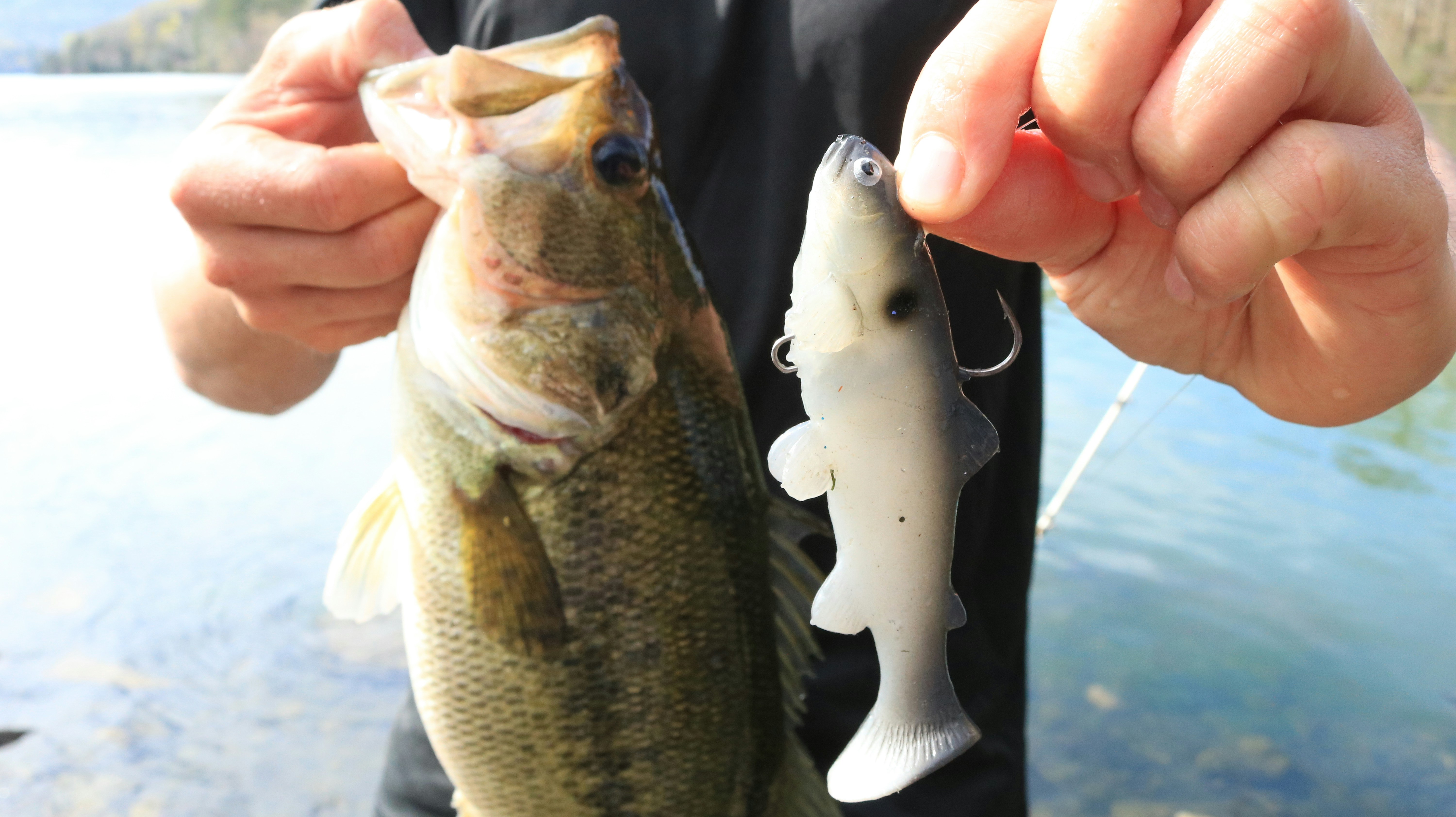
The Largemouth Bass (Micropterus salmoides) is a freshwater fish widely distributed across North America. They thrive in various aquatic environments, including lakes, ponds, rivers, and reservoirs. Recognizing their unique physical features will help you identify them during your fishing expeditions.
- Physical Features: Largemouth Bass have a distinctive large mouth that extends past their eyes, greenish to grayish body coloration, and a series of dark horizontal stripes along their sides.
- Habitat: They prefer warm, shallow waters with abundant cover such as rocks, weeds, and fallen trees.
- Behavior: These fish are opportunistic feeders, making them aggressive towards lures and bait.
Essential Gear for Largemouth Bass Fishing
Before you head out for your first fishing trip, you’ll need to gather the right gear. Here’s a list of essentials:
Fishing Rod and Reel
Your fishing rod should be medium to medium-heavy power, with a fast action tip. Pair it with a dependable baitcasting or spinning reel for optimal performance.
Line
Use a monofilament or braided line with a test strength between 10 to 20 pounds for optimal strength and sensitivity.
Bait and Lures
Largemouth Bass can be caught using a variety of baits and lures. Here are some popular options:
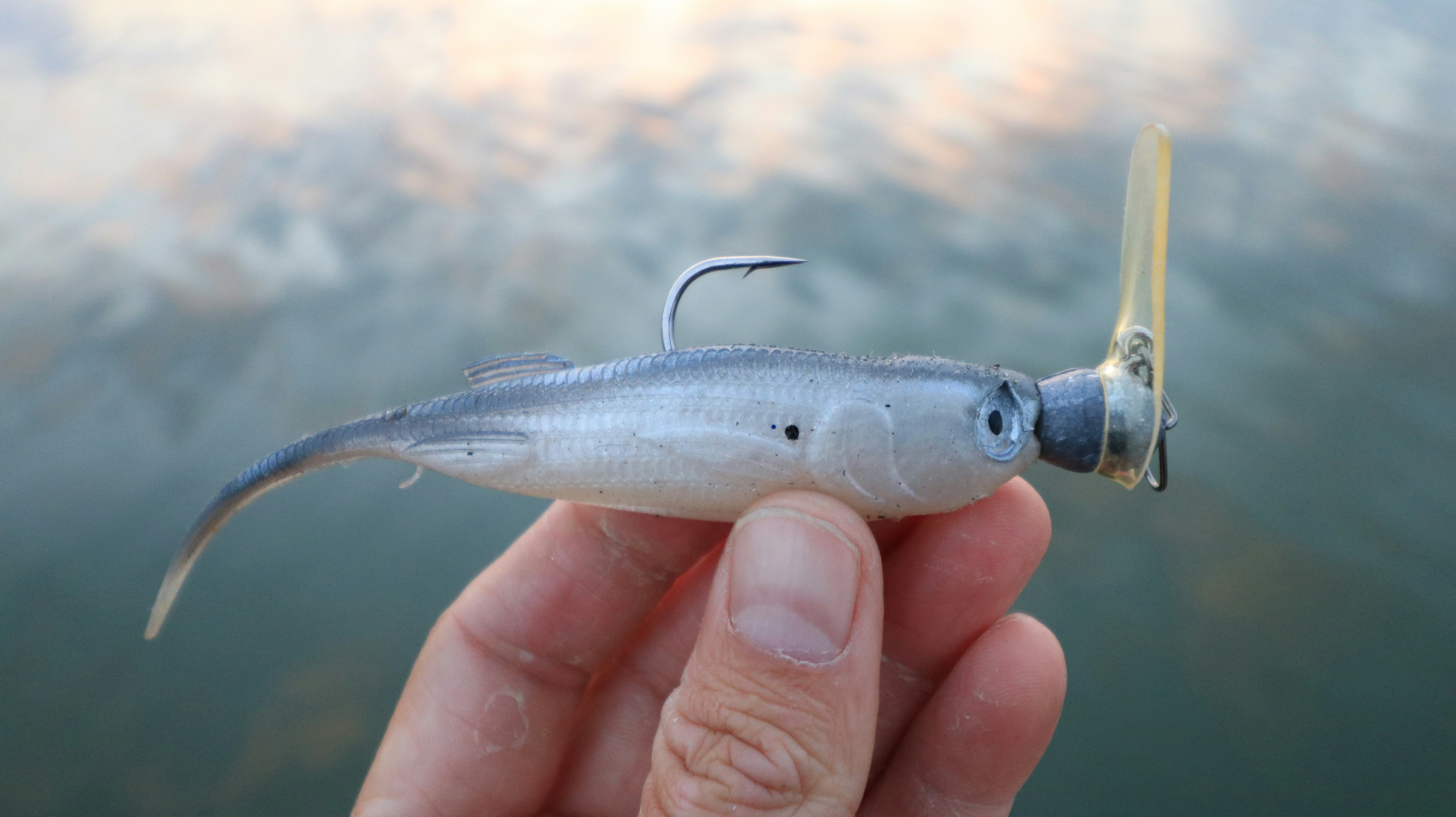
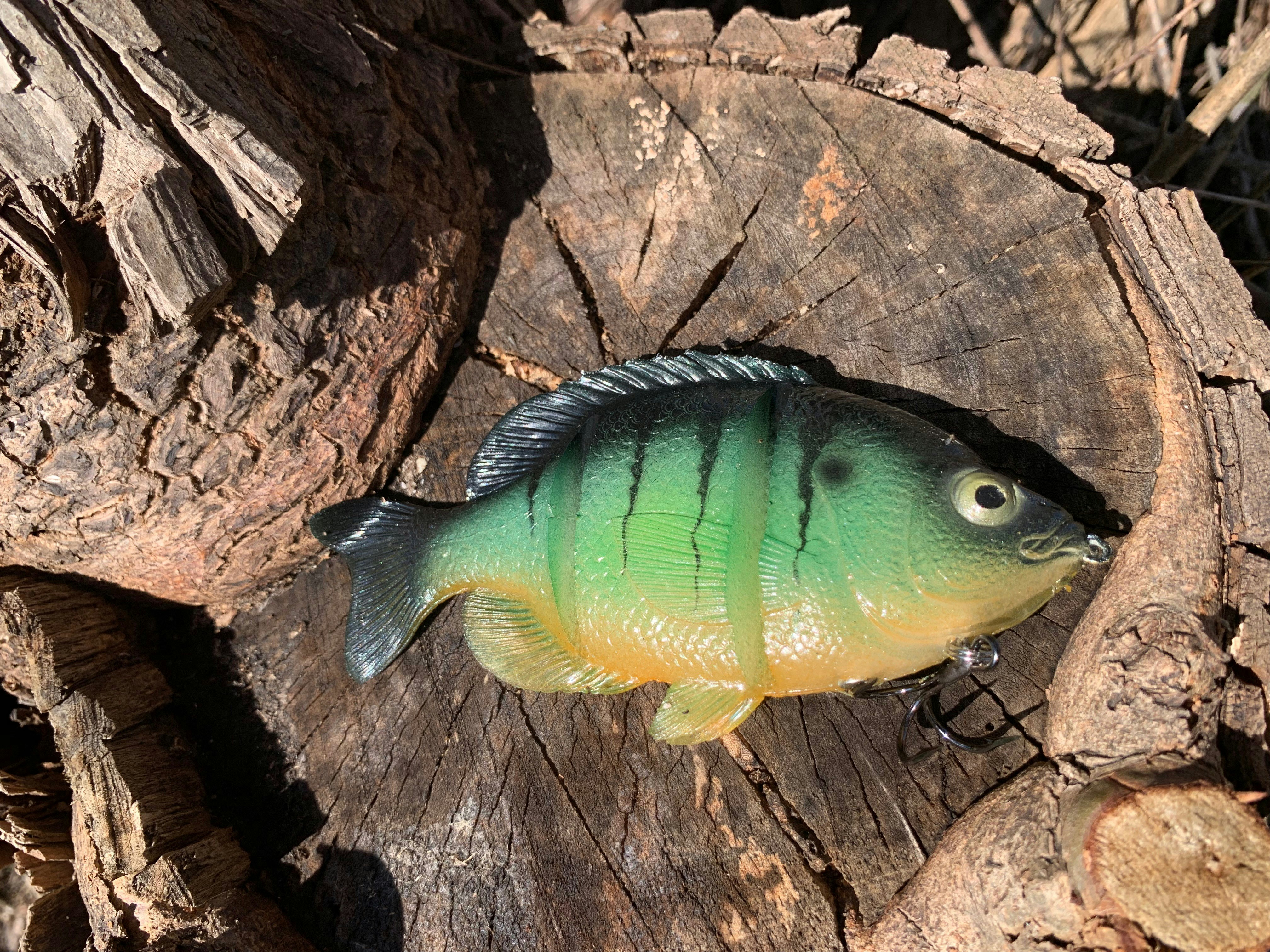
- Soft Plastics: Worms, creature baits, and swimbaits tend to be very effective.
- Topwater Lures: Buzz baits and frogs can elicit explosive strikes during warmer months.
- Spinnerbaits: These are ideal for covering larger areas quickly.
Best Times and Techniques for Catching Largemouth Bass
Understanding when and how to fish for Largemouth Bass can significantly improve your chances of success.
Prime Times for Fishing
Early Morning and Late Evening: Bass are often most active during these times. The cooler temperatures draw them near the surface, making them easier to catch.
Spring and Fall: These seasons offer the best opportunities, as bass are preparing for spawning and feeding heavily to prepare for winter.
Effective Fishing Techniques
Adopting the right technique is crucial for attracting Largemouth Bass. Consider these methods:
- Cast and Retrieve: A classic method where you cast your lure out and retrieve it at varying speeds.
- Flip and Pitch: Perfect for fishing heavy cover; this technique involves short, precise casts.
- Trolling: A great method for covering broader areas in search of active bass.
Safety and Ethics While Fishing
Safety and ethical practices are essential while enjoying your fishing excursions.
- Wear a Life Jacket: Always prioritize safety when fishing from a boat.
- Follow Local Regulations: Ensure you are familiar with the fishing laws in your area, including size and bag limits.
- Catch and Release: Consider releasing larger bass to support sustainability in fisheries.
Conclusion
Largemouth Bass fishing can be a rewarding experience, providing both excitement and relaxation. With the right gear, techniques, and understanding of the fish’s habits, your first catch is just around the corner. Remember to practice good fishing ethics to ensure that future generations can also enjoy this amazing sport.
For a more comprehensive guide to mastering bass fishing techniques, check out my ebook, Bass Fishing Mastery. This resource is packed with tips, strategies, and insights to elevate your fishing game!
FAQs
1. What is the best time of year to catch Largemouth Bass?
The spring and fall months are generally the best times for catching Largemouth Bass, as they are actively feeding during these periods.
2. What are the ideal water conditions for Largemouth Bass?
Largemouth Bass prefer warm, shallow waters with plenty of cover such as weeds, rocks, and submerged structures.
3. Can I catch Largemouth Bass at night?
Yes! Many anglers have success fishing for Largemouth Bass during the night, especially with topwater lures.
4. How do I properly release a caught Largemouth Bass?
Use wet hands to handle the fish, avoid holding it by the gills, and gently place it back in the water to minimize stress.
5. Do I need a fishing license to catch Largemouth Bass?
Yes, most states require a fishing license. Be sure to check the local regulations before you fish.
About The Author