How to Catch Largemouth Bass for Beginners
Learning how to catch largemouth bass for beginners can feel confusing at first. There are hundreds of lures, different rods, different fishing lines, dozens of techniques, and every angler seems to have a different opinion.
But here is the truth: catching your first largemouth bass does not need to be complicated.
You do not need a boat. You do not need expensive electronics. You do not need a giant tackle box. You need to understand a few simple things: where bass hide, what they eat, when they are more likely to bite, and how to present your lure in a way that looks natural.
Largemouth bass are ambush predators. That means they often sit near cover, wait for an easy meal, and strike when something gets too close. For beginners, this is great news. You do not need to randomly cast everywhere. You need to learn where bass are likely to be, then put the right bait in front of them.
This guide will walk you through the basics step by step.
By the end, you will know what gear to use, which lures to start with, where to cast, how to retrieve your bait, how to set the hook, and what mistakes to avoid.
What Is a Largemouth Bass?
The largemouth bass is one of the most popular freshwater fish in the United States. It lives in lakes, ponds, rivers, reservoirs, creeks, and many slow-moving freshwater systems.
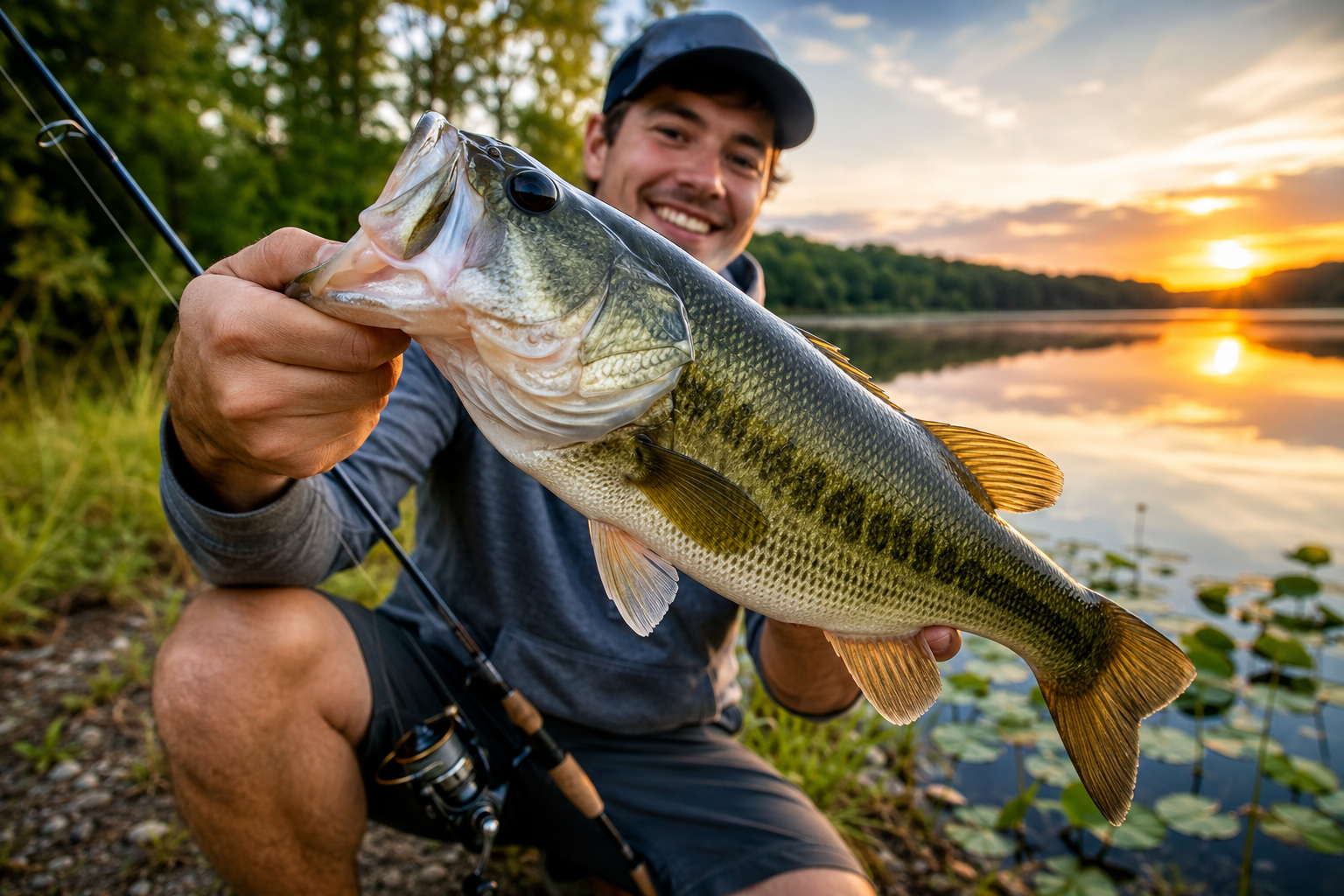
It gets its name from its large mouth. When the mouth is closed, the jaw usually extends past the eye, which helps separate it from smallmouth bass. Largemouth bass are known for aggressive strikes, strong fights, and their ability to hide around cover.
For a beginner, largemouth bass are one of the best fish to target because they are widespread, exciting to catch, and willing to bite many different lures.
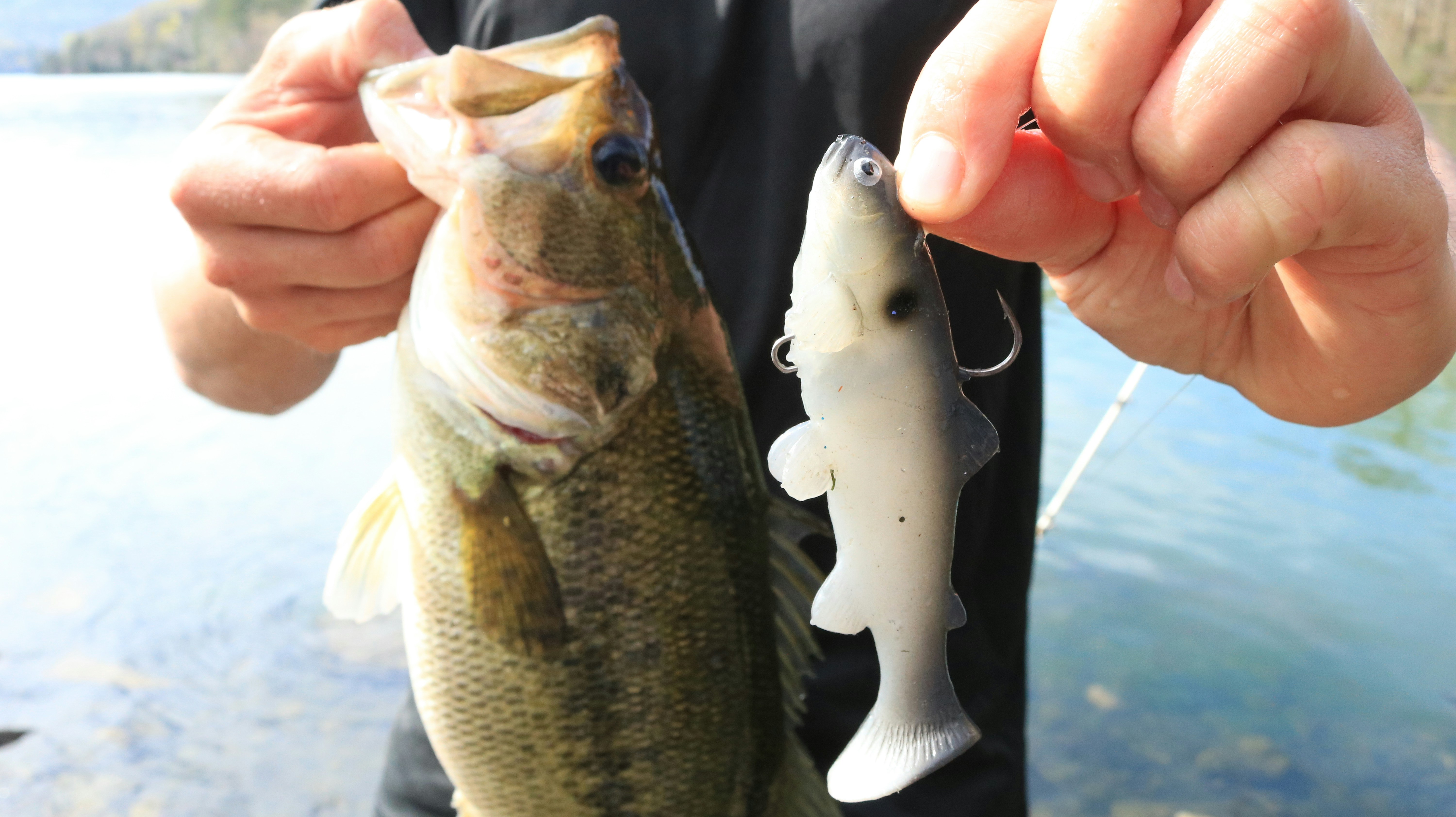
They eat small fish, bluegill, shad, minnows, frogs, crayfish, insects, worms, and almost anything that looks like an easy meal. That is why so many bass lures imitate baitfish, worms, frogs, or crawfish.
Where to Find Largemouth Bass
The biggest beginner mistake is casting into random open water and hoping for the best.
Bass are rarely spread everywhere evenly. They usually relate to cover, structure, shade, depth changes, or food.
If you want to catch largemouth bass, start by looking for places where bass can hide and ambush prey.
Good beginner areas include:
- Grass lines
- Lily pads
- Fallen trees
- Docks
- Rocks
- Weed edges
- Shaded banks
- Points
- Creek mouths
- Drop-offs
- Brush piles
- Pond corners
- Drain pipes
- Riprap banks
A simple rule: if something looks different from the rest of the water, cast there.
A bare bank with nothing around it is usually less attractive. But a bare bank with one tree branch, one patch of grass, one dock post, or one shaded corner can hold bass.
Bass like places where they can stay protected and attack food without wasting energy.
Can You Catch Largemouth Bass From Shore?
Yes. You can absolutely catch largemouth bass from shore. In fact, many beginners start bank fishing before they ever use a boat.
Shore fishing can be extremely productive because many bass move shallow to feed, especially early in the morning, late in the evening, during cloudy weather, or around cover.
When fishing from shore, do not just walk to the water and cast straight out as far as possible. That is another common beginner mistake.
Instead, fish the bank carefully.
Bass often sit close to shore, especially near grass, rocks, shade, or small bluegill. If you walk right up to the edge and make noise, you may scare them before your first cast.
Start a few steps back from the water. Make your first casts parallel to the bank. Then cast at angles. After that, cast farther out.
This lets you cover the high-percentage water without spooking fish.
Best Beginner Gear for Largemouth Bass
You do not need complicated gear to start bass fishing.
A simple spinning setup is enough for most beginners.
Beginner Rod and Reel Setup
A great beginner setup is:
- Rod: 6’6” to 7’ medium power spinning rod
- Reel: 2500 or 3000 size spinning reel
- Line: 8 to 12 lb monofilament or fluorocarbon
- Alternative: 10 to 15 lb braided line with a fluorocarbon leader
This setup is easy to cast, handles many beginner lures, and works well from shore, ponds, lakes, and docks.
Baitcasting gear is popular for bass fishing, but beginners often struggle with backlashes. A spinning rod is easier and more forgiving.
Once you gain experience, you can add a baitcaster later.
Best Lures for Beginner Bass Fishing
A beginner does not need 50 lures. Start with a few proven options that catch bass in many conditions.
Here are the best bass fishing lures for beginners.
1. Soft Plastic Worm
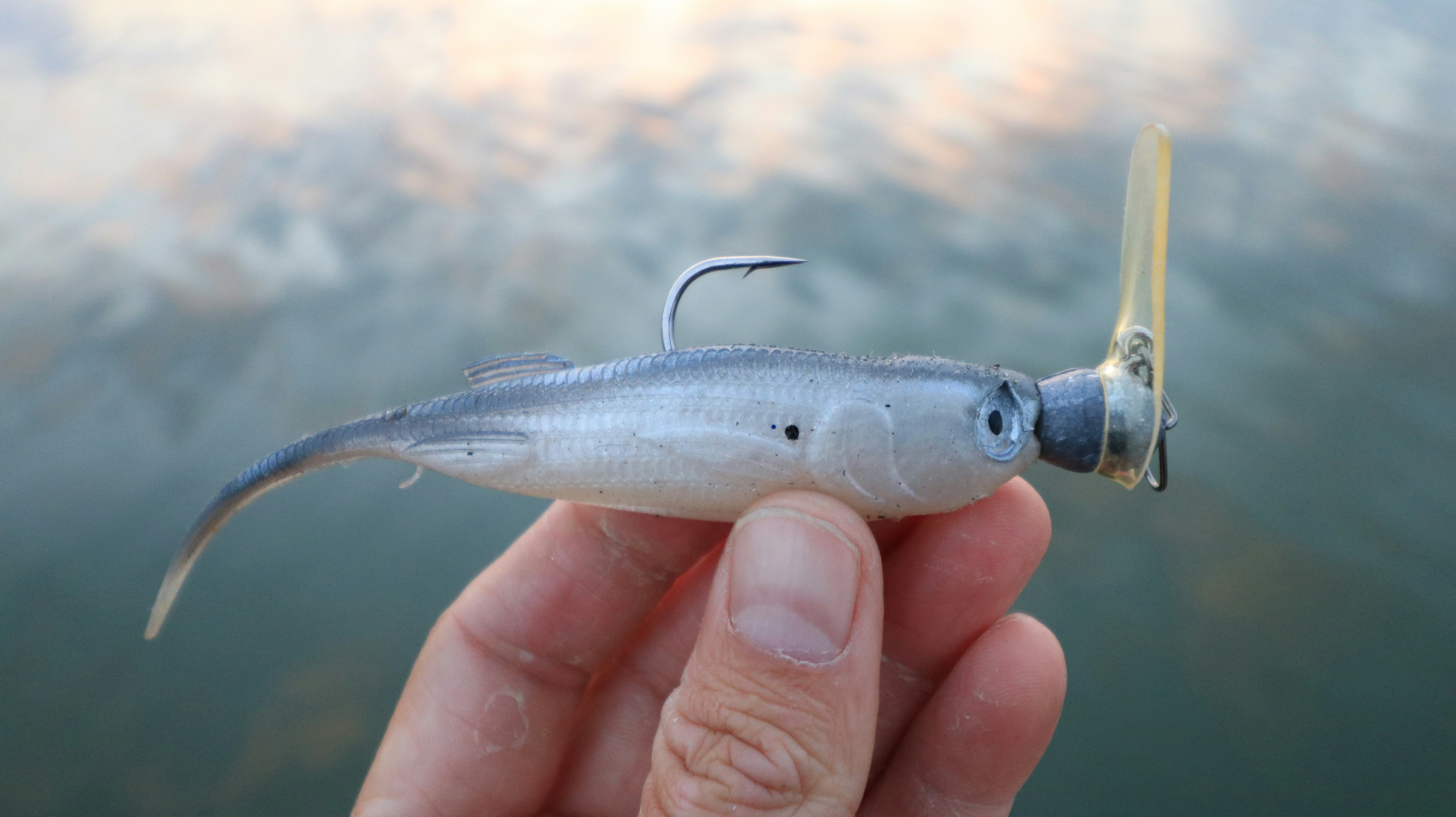
A soft plastic worm is one of the best beginner bass lures ever made. It looks natural, moves slowly, and catches fish in ponds, lakes, rivers, and reservoirs.
You can rig it Texas rigged, wacky rigged, or weightless.
For beginners, a 5-inch stick bait or Senko-style worm is hard to beat.
Best colors:
- Green pumpkin
- Watermelon red
- Black and blue
- Junebug
- Natural brown
2. Spinnerbait
A spinnerbait is great because you can cast it out and reel it back in. The blades flash and vibrate, which helps bass find it.
Use spinnerbaits around grass, wood, muddy water, windy banks, and shallow cover.
Beginner colors:
- White
- White/chartreuse
- Chartreuse
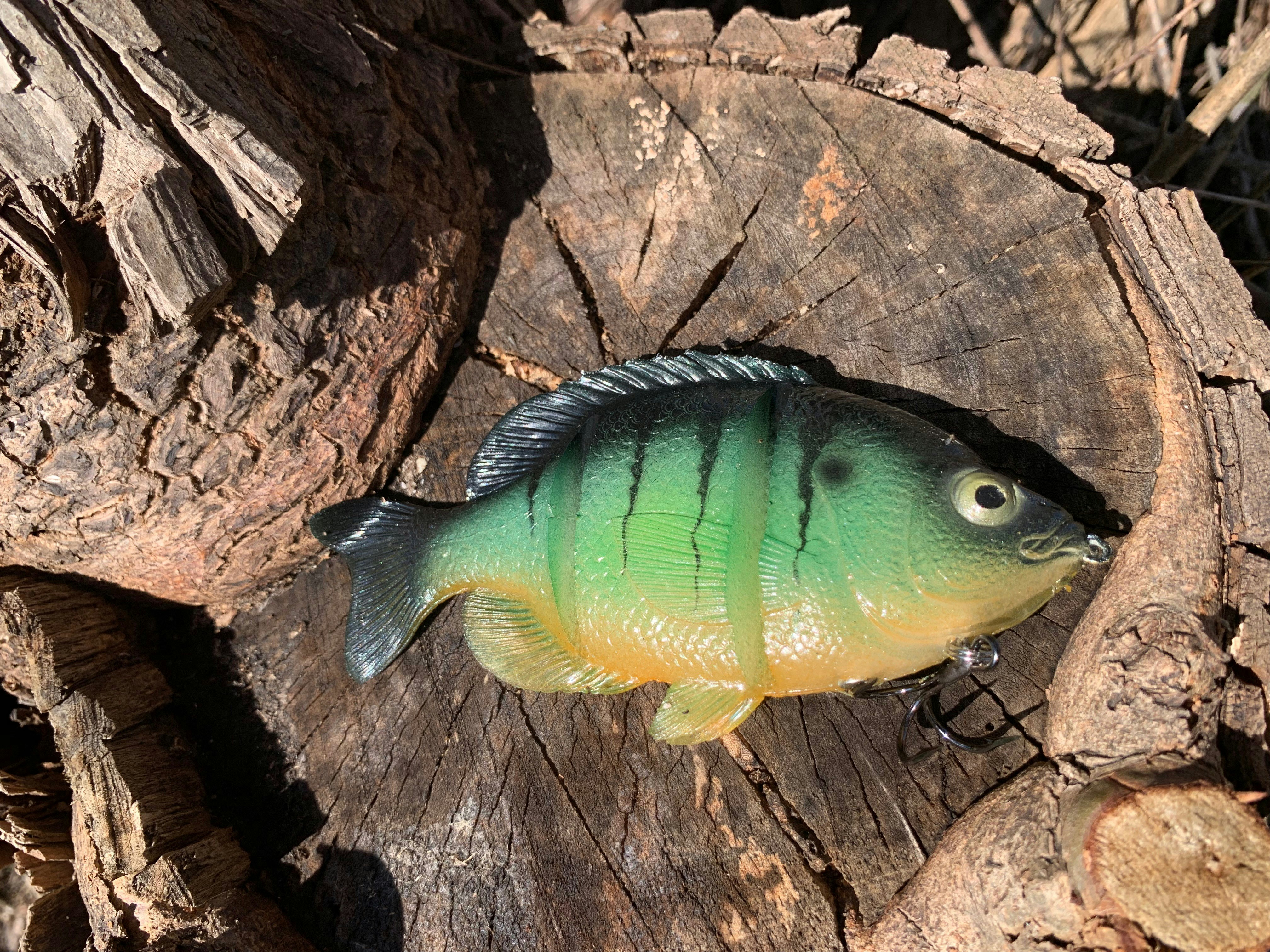
- Bluegill pattern
3. Squarebill Crankbait
A squarebill crankbait is excellent around rocks, shallow wood, and hard cover. It deflects off objects and triggers reaction strikes.
The key is not just reeling it through open water. Try to make it bump into cover.
When it hits something, pause for a split second, then keep reeling. Many bites happen right after contact.
4. Topwater Popper
A topwater popper is exciting because you see the bass strike on the surface.
Use it early morning, late evening, around calm water, near shade, or close to shallow cover.
Do not work it too fast. Pop it, pause it, then pop again. Sometimes bass hit during the pause.
5. Jig
A jig is slightly more advanced, but it is one of the best big bass baits.
It imitates crawfish and bluegill. Fish it slowly around wood, rocks, docks, grass edges, and deeper cover.
For beginners, start with a compact jig and a simple craw trailer.
The Easiest Rig for Beginners: Texas Rig Worm
If you only learn one bass rig first, learn the Texas rig.
It is weedless, simple, and works almost everywhere.
What You Need
- Soft plastic worm
- 3/0 or 4/0 offset worm hook
- Bullet weight, usually 1/8 oz to 3/8 oz
- Optional: bobber stopper if fishing heavy cover
How to Fish It
Cast near cover. Let the worm sink to the bottom. Watch your line while it falls because many bites happen before you even move it.
Once it hits bottom, slowly lift your rod tip, then let the worm fall again. Reel in the slack and repeat.
Do not drag it too fast. Bass often want an easy meal.
A bite may feel like:
- A tap
- A heavy feeling
- Your line moving sideways
- Sudden slack
- A mushy sensation
When you feel something different, reel down and set the hook firmly.
Best Time to Fish for Largemouth Bass
Bass can be caught all day, but beginners usually have better chances during feeding windows.
The best times are often:
- Early morning
- Late evening
- Cloudy days
- Before a weather change
- During light wind
- Around shade during hot weather
In summer, bass may feed shallow early, then move deeper, into shade, or into thick cover when the sun gets high.
In spring, bass often move shallow to spawn. In fall, they may chase baitfish more aggressively. In winter or cold water, they usually slow down and require slower presentations.
For beginners, early morning and evening are usually the easiest times to start.
How to Fish for Bass in a Lake
Lakes can feel overwhelming because there is so much water. The secret is to break the lake into smaller targets.
Do not think, “Where are the bass in this whole lake?”
Think, “Where is the nearest cover, shade, food, or depth change?”
Start with these areas:
Points
A point is where land extends into the water. Bass often use points as feeding areas, especially when baitfish move through.
Cast across the point from different angles.
Docks
Docks provide shade, cover, and ambush spots. Cast around the posts, corners, ladders, and shaded areas.
A soft plastic worm, jig, or wacky rig can be very effective here.
Grass Edges
Grass holds baitfish, insects, oxygen, and cover. Bass often sit on the outside edge waiting to ambush prey.
Cast along the edge, not just into the middle of it.
Rocks
Rocks attract crawfish and baitfish. Bass often patrol rocky banks, riprap, and transitions from rock to mud.
Crankbaits, jigs, and Texas rigs work well here.
Shallow Flats Near Deep Water
Bass like shallow feeding areas that are close to deeper escape routes. These spots are especially good during morning, evening, and seasonal transitions.
How to Retrieve Your Lure
Beginners often fish too fast.
That does not mean fast retrieves never work. Sometimes burning a spinnerbait or crankbait can trigger aggressive strikes. But when you are learning, slow down and pay attention.
Different lures need different retrieves.
Soft Plastic Worm
Let it sink. Lift slowly. Pause. Reel slack. Repeat.
Spinnerbait
Cast and reel steadily. Occasionally pause or bump cover.
Crankbait
Reel until it hits cover or bottom. Pause when it deflects. Keep reeling.
Topwater Popper
Pop. Pause. Pop-pop. Pause again.
Jig
Let it hit bottom. Hop it slowly. Drag it. Pause often.
The pause is important. Many beginners never give bass time to commit.
How to Set the Hook on a Bass
Setting the hook is one of the most important beginner skills.
If you set too early, you may pull the lure away. If you wait too long, the bass may spit it out.
For moving lures like spinnerbaits and crankbaits, keep reeling until the rod loads up, then sweep the rod firmly.
For soft plastics and jigs, feel the bite, reel down until the line is tight, then drive the hook home with a strong upward or side hookset.
Do not set the hook with loose line. Reel down first.
Also, use sharp hooks. A dull hook causes missed fish.
Common Beginner Bass Fishing Mistakes
Most beginners do not fail because bass fishing is impossible. They fail because they repeat simple mistakes.
Mistake 1: Fishing Random Water
Do not cast randomly. Target cover, shade, structure, and transitions.
Mistake 2: Using Too Many Lures
Switching lures every five minutes prevents you from learning. Start with a few proven baits and get confident with them.
Mistake 3: Fishing Too Fast
Slow down, especially with soft plastics and jigs. Bass often bite on the fall or during the pause.
Mistake 4: Ignoring the Bank
If you fish from shore, the water right in front of you may hold bass. Do not immediately cast as far as possible.
Mistake 5: Making Too Much Noise
Bass in shallow water can be spooky. Walk quietly, avoid stomping on docks, and keep your shadow off the water when possible.
Mistake 6: Not Watching Your Line
With soft plastics, your line often tells you more than your rod. If the line jumps, moves sideways, or suddenly goes slack, set the hook.
Mistake 7: Giving Up Too Fast
Bass fishing rewards observation. If one spot does not work, change angle, depth, lure speed, or location.
Simple Beginner Bass Fishing Plan
Here is a simple plan you can follow on your next trip.
Step 1: Choose the Right Spot
Pick a pond, lake, or reservoir with visible cover like grass, docks, trees, rocks, or shaded banks.
Step 2: Start With a Soft Plastic Worm
Use a Texas rig or wacky rig. Cast around cover and fish slowly.
Step 3: Cover Water With a Spinnerbait
If the bass are active, use a spinnerbait to search faster. Cast around grass, wind-blown banks, and shallow cover.
Step 4: Try Topwater Early or Late
Use a popper or walking bait in low light, calm water, or around shallow cover.
Step 5: Pay Attention
Every bite teaches you something. Where was the fish? What cover was nearby? Was the lure falling, moving, or paused? Was the water clear, muddy, warm, or shaded?
The faster you notice patterns, the faster you catch more bass.
Beginner Lure Color Guide
Lure color can be confusing, but it does not need to be.
Use this simple system:
Clear Water
Use natural colors:
- Green pumpkin
- Watermelon
- Shad
- Silver
- Bluegill
- Light brown
Muddy Water
Use darker or brighter colors:
- Black and blue
- Junebug
- Chartreuse
- White/chartreuse
- Black
Cloudy Weather
Use colors with contrast, vibration, or flash.
Sunny Weather
Use more natural colors, especially in clear water.
Color matters, but location and presentation matter more. A perfect lure color in the wrong place will not catch much.
What to Do When Bass Are Not Biting
Every angler has slow days. When you are not catching bass, do not panic. Adjust.
Try these changes:
- Slow down your retrieve
- Fish closer to cover
- Downsize your lure
- Change color
- Fish deeper
- Try shade
- Move to a new area
- Cast from a different angle
- Use a finesse worm
- Fish early or late instead of midday
If bass are pressured, cold, or inactive, a slow soft plastic worm can save the day.
A beginner mistake is assuming there are no fish. Often, the fish are there, but your lure is too fast, too big, too obvious, or in the wrong part of the water.
Best Beginner Bass Fishing Mindset
The best bass anglers are not just lucky. They pay attention.
Every cast gives feedback. Every missed bite gives information. Every caught fish reveals a pattern.
Ask yourself:
- Was the bass shallow or deep?
- Was it near grass, rock, wood, or shade?
- Did it bite fast or slow?
- Was the water clear or muddy?
- Was the fish near baitfish?
- Did the bite happen on the fall, pause, or retrieve?
Bass fishing becomes easier when you stop guessing and start noticing.
Want a Complete Beginner-to-Advanced Bass Fishing System?
If you want a simple way to understand bass lures, seasonal patterns, fishing mistakes, and practical techniques, check out my complete guide:
Bass Fishing Mastery — Full Guide
It is designed to help beginner and intermediate anglers make better decisions, avoid common mistakes, and catch more bass with a clear step-by-step approach.
FAQ: How to Catch Largemouth Bass for Beginners
What is the easiest way to catch largemouth bass?
The easiest way is to fish a soft plastic worm around cover like grass, docks, rocks, or fallen trees. A Texas rig or wacky rig is simple and effective for beginners.
What is the best bait for beginner bass fishing?
A soft plastic stick bait, Texas rig worm, spinnerbait, or small crankbait are some of the best beginner bass fishing lures.
Can beginners catch bass from shore?
Yes. Many bass are caught from shore, especially near grass, docks, rocks, shade, and shallow cover. Fish quietly and cast parallel to the bank before casting far out.
What time of day is best for largemouth bass?
Early morning and late evening are often best, especially in warm weather. Cloudy days, light wind, and shaded areas can also improve your chances.
What color lure should beginners use?
Green pumpkin is one of the safest all-around soft plastic colors. In muddy water, try black and blue, junebug, chartreuse, or white/chartreuse.
Why am I not catching bass?
You may be fishing too fast, casting in random water, ignoring cover, using the wrong lure size, or fishing during low-activity periods. Slow down and target high-percentage areas.
Do I need a boat to catch largemouth bass?
No. You can catch plenty of largemouth bass from shore, especially in ponds, small lakes, public parks, reservoirs, and around accessible cover.
Final Thoughts
Catching largemouth bass as a beginner is not about having the most expensive gear or the biggest tackle box. It is about understanding simple patterns.
Bass need food, cover, and comfort. Find those three things, and your odds go up fast.
Start with a simple spinning rod, a few proven lures, and a focus on high-percentage areas. Fish slowly, watch your line, learn from every cast, and avoid overcomplicating the process.
Once you catch your first largemouth bass, you will understand why so many anglers become obsessed with bass fishing.
And the more you learn, the more consistent your results become.
About The Author