Post-Spawn Bass Fishing Guide: Where Bass Go After the Spawn and What to Throw

Understanding the Post-Spawn Phase

The post-spawn phase is a critical period in the life cycle of bass, occurring immediately after they have completed their spawning activities. During this time, the biological and behavioral changes in bass become pronounced as they transition from the pressures of reproduction to recovery and feeding. After spawning, bass experience several physiological shifts, which significantly affect their habitat preferences and feeding patterns.

One of the most notable physiological changes bass undergo post-spawn is weight loss. The energy expended during mating, nest building, and guarding can lead to a noticeable depletion of their body condition. This depletion necessitates a recovery phase where bass actively seek to replenish lost weight. Their foraging behavior shifts as they become more aggressive in pursuing prey to regain strength.

Additionally, post-spawn bass tend to move to different habitats compared to their pre-spawn routines. While some may linger near their spawning areas temporarily, many bass migrate towards deeper waters or cover such as submerged vegetation and rock structures. These changes in habitat preferences stem from their need for safety and food as they recover. The transition also reflects their behavioral changes, as bass become more opportunistic hunters, targeting smaller baitfish that are abundant in these post-spawn locations.

Another significant aspect is the impact on bass populations. Spawning not only involves a high energy expenditure but also leads to increased mortality rates among younger fish due to predation. Therefore, understanding the dynamics of the post-spawn phase is essential for anglers. Knowing where bass relocate and how their behavior changes can lead to more effective fishing strategies during this time.

Where Do Bass Typically Go After the Spawn?

After the spawn, bass undergo significant behavioral changes that impact their location and feeding patterns. These changes are primarily influenced by several critical factors, including water temperature, habitat structure, and the availability of food sources. Understanding these influences is essential for anglers looking to locate bass in the post-spawn period.

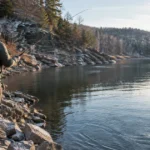
As the water temperatures begin to rise, usually reaching the mid to upper 60s Fahrenheit, adult bass tend to move away from their nesting areas. They often transition to deeper water or select areas that provide more cover, such as sunken trees, rocks, and weed beds. These habitats serve as protection from predators and offer ample feeding opportunities.

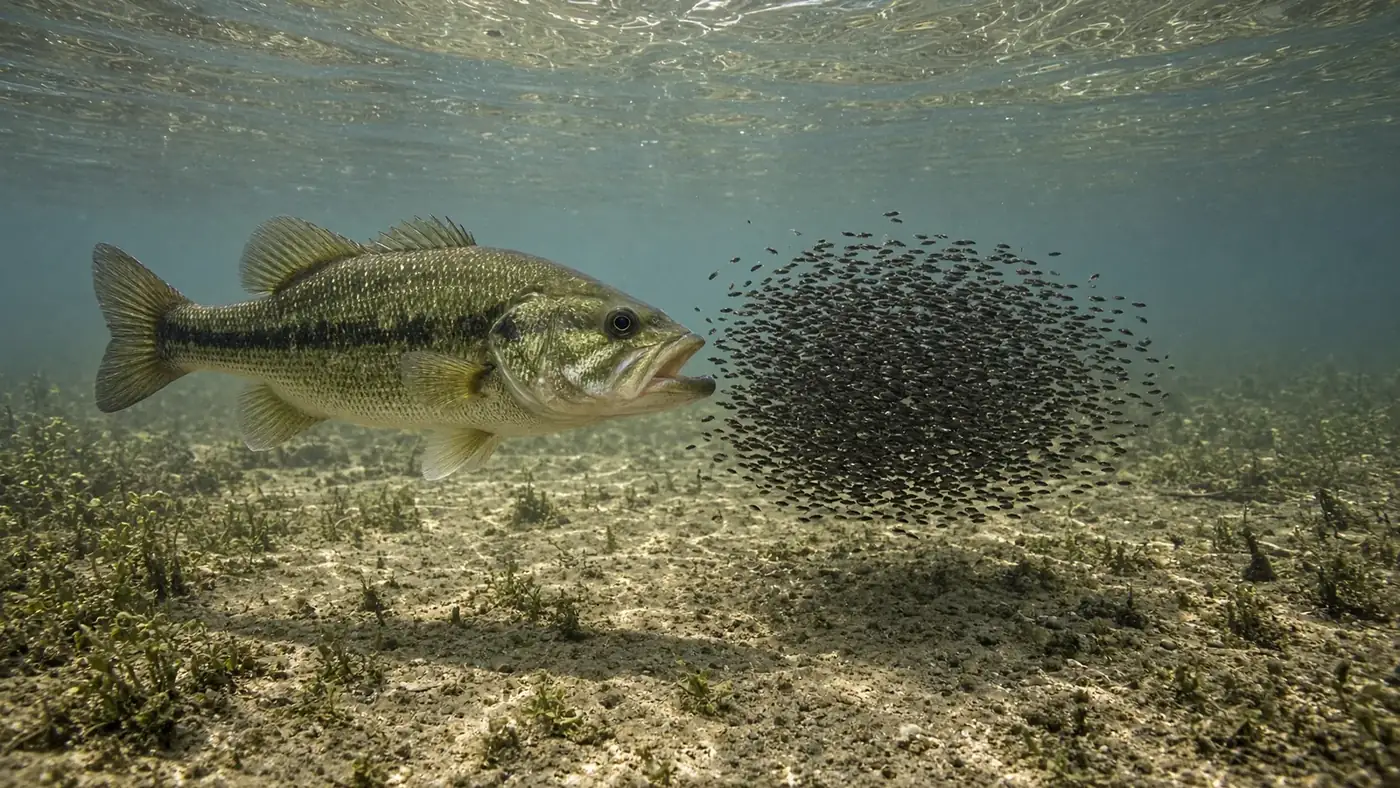
Additionally, the post-spawn period often prompts bass to seek out areas with abundant forage. Typically, this involves moving to regions where baitfish congregate, such as shallow flats, points, and ledges that are adjacent to deeper water. These locations are not only rich in food but also allow bass to ambush their prey effectively.

Moreover, the transition phase after spawning can also affect the bass’s activity levels. During this time, they may exhibit erratic behavior as they recover from the stress of nesting. This variability means that while some bass are more active and can be found in open water, others may still prefer to hide in cover. Therefore, anglers should be adaptable in their approach, targeting both shallow and deep locations based on current conditions.

In conclusion, the post-spawn period sees bass relocating to areas that provide safety and food. Anglers who understand these movements can refine their tactics and enhance their chances of success on the water. Notably, focusing on habitat structure and foraging behavior during this time is key to effective bass fishing in the weeks following the spawn.

Best Habitats for Post-Spawn Bass

After the spawn, bass exhibit distinctive behaviors and preferences in terms of habitat. Understanding these nuances is crucial for anglers aiming to catch post-spawn bass effectively. Primarily, shallow flats are highly favored, as these areas provide a combination of warmth and an abundant food supply. These shallow regions often attract forage species, such as minnows and crawfish, creating an ideal environment for bass to recuperate after the challenging spawning season.

Another prime habitat for post-spawn bass is grass beds. The lush vegetation offers both shelter and ambush points for bass hunting smaller prey. Grass beds also provide cover from predators and harsh sunlight, which can stress fish in open waters. During late spring and early summer, these areas become hotspots for bass as they transition from spawning beds to more structured environments. Anglers can effectively target bass in these areas by using weedless rigs and topwater lures that mimic prey while avoiding snag-induced frustration.

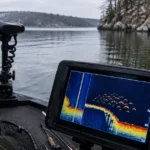
Drop-offs are also crucial habitats for post-spawn bass. These areas represent a shift in depth where bass can easily transition from shallow to deeper water. As water temperatures rise, bass will often retreat to these drop-offs, where they can find cooler water and remain less susceptible to predation and stress. Identifying these structures can involve using fish finders or simply paying attention to underwater topography indicated on maps. Lures such as jigs, scented plastics, or crankbaits can be particularly effective when fished along these drop-offs, allowing anglers to present their offerings in the comfort zones of post-spawn bass.

Understanding Bass Behavior Post-Spawn

Following the spawning process, bass exhibit significant behavioral changes that affect their active engagement in the water. Post-spawn, these fish typically transition from a protective spawning mode to a more aggressive feeding phase. This period marks a time when bass actively seek out food resources to recuperate the energy they expended during the spawning. Furthermore, their aggression levels intensify due to an increased need for nourishment, making them more likely to strike at lures and bait.

During the post-spawn phase, bass often relocate to areas with abundant food supplies, primarily targeting shallower, warmer waters. These zones not only encourage foraging behavior but also provide suitable habitats that facilitate recovery from the rigors of spawning. Anglers should focus on the edges of these zones, particularly around vegetation and structure, where bass are likely to congregate. This strategic positioning allows them to ambush prey effectively while maintaining a safe distance from predators.

The feeding patterns of bass change notably during this time. They tend to become opportunistic eaters, consuming a variety of prey such as minnows, crawfish, and even smaller fish. For anglers, selecting lures that mimic the bass’s natural prey is crucial. Swimbaits, chatterbaits, and topwater lures can be particularly effective, enticing post-spawn bass to strike. Understanding the dynamics of bass behavior during this phase allows anglers to refine their fishing techniques and improve their catch rates. By adjusting tactics based on these behavioral insights, anglers can enhance their fishing success significantly.

Effective Baits and Lures for Post-Spawn Bass

After the spawn, bass undergo a transitional phase where they begin to inhabit deeper waters and become less aggressive. This shift in behavior necessitates a change in fishing strategy, particularly regarding the selection of baits and lures. To effectively lure post-spawn bass, anglers should consider employing a variety of techniques tailored to the bass’s new habitats and feeding patterns.

One highly recommended option is the crankbait. These lures mimic the movement of injured baitfish and can be fished at various depths, making them suitable for the post-spawn period when bass are often found in deeper water. A productive approach is to cast them near submerged structures or rocky points where bass are likely to take shelter. Utilizing a crankbait with a rattle can further attract attention in murky waters.

Another effective lure type is the topwater lure, particularly during early mornings or late evenings when bass may still be near the surface. Stickbaits and poppers can create enticing splashes that draw in bass, stimulating their predatory instincts. It’s essential to retrieve these lures slowly and sporadically to mimic natural prey movements.

Lastly, soft plastics are versatile and can be rigged in numerous ways, such as Texas or Carolina rigging. These baits are particularly effective when fished along the bottom or near vegetation where post-spawn bass might hide. Color selection can be critical, with natural hues often outshining brighter options depending on water clarity.

In conclusion, understanding the behavior of bass after spawning allows anglers to select suitable baits and lures for optimal fishing success. Crankbaits, topwater lures, and soft plastics all serve as effective tools in the angler’s arsenal, facilitating productive fishing during this critical period.

Strategies for Targeting Post-Spawn Bass

After the spawn, bass tend to retreat from their shallow nesting areas to seek refuge in slightly deeper waters, making it crucial for anglers to adapt their strategies accordingly. One effective approach is finesse fishing, which involves using lighter tackle and smaller baits. This method is particularly advantageous during the post-spawn period, as bass may become more selective in their feeding habits. Employing techniques such as drop-shotting or wacky rigging can entice these post-spawn bass, allowing you to present baits in a subtle manner that encourages strikes.

Another helpful technique is flipping, which is especially effective when fishing around heavy cover, such as submerged vegetation or laydowns. Utilizing a compact lure, such as a worm or creature bait, allows for precise presentations in the tight spaces where bass often seek shelter after the spawn. When flipping, it is important to quickly retrieve your lure upon contact with the cover, as this often triggers an aggressive strike from bass that are actively defending their territory.

The Carolina rig is another versatile tool for targeting post-spawn bass. This rig allows for a slow presentation across the bottom, making it an ideal option as bass tend to be in a transitional phase, moving away from spawn sites. A relatively heavy weight combined with a soft plastic lure will allow the bait to stay on the bottom, mimicking the movement of natural prey. When utilizing a Carolina rig, focus on areas with drops, ledges, or ledge-like structures, as these spots are often frequented by big bass looking to ambush unsuspecting prey.

In conclusion, understanding the behaviors of bass after the spawn and adapting your fishing techniques accordingly can significantly increase your chances of success. By employing finesse strategies, flipping techniques, and Carolina rigs, anglers can effectively target post-spawn bass and improve their overall fishing experience.

Seasonal Considerations for Post-Spawn Bass Fishing

The behavior and location of bass after the spawn are significantly influenced by seasonal transitions throughout the year. Understanding these changes is essential for anglers seeking success in post-spawn bass fishing. The temperature of the water, for instance, plays a critical role in guiding bass movements and their feeding patterns.

During the late spring and early summer months, when water temperatures begin to rise, bass typically transition from shallow spawning areas to deeper water. As the weather changes, it is crucial to monitor these temperature fluctuations. Once water temperatures consistently reach the mid-70s to low 80s Fahrenheit, bass often retreat to cooler waters, such as ledges and drop-offs, where they can find refuge from the warmer surface temperatures.

Moreover, seasonal weather patterns contribute to shifting bass behavior. Summer storms, for example, can create temporary changes in water clarity and temperature. In the aftermath of such events, fish often seek cover near submerged structures, making them more accessible to anglers who know how to target these locations effectively. Techniques like flipping jigs or using soft plastics around these structures can yield favorable results during these transitional periods.

As the year progresses into fall, cooling water temperatures once again alter bass behavior. During this time, bass become increasingly active as they prepare for winter. They often move back towards shallower waters to feed on schools of baitfish. Anglers can capitalize on this behavior by employing reactionary baits and utilizing techniques such as topwater lures during the early morning or late evening hours.

In summary, staying attuned to the seasonal transitions and adapting fishing strategies accordingly can significantly enhance an angler’s success in post-spawn bass fishing. By understanding the nuances of bass behavior, you can make informed decisions that lead to more productive outings on the water.

Common Mistakes to Avoid Post-Spawn

As anglers focus on post-spawn bass fishing, several common mistakes can hinder success. One prevalent error is neglecting to adjust bait selection based on the changing behavior of the fish. After spawning, bass often shift their feeding habits, making it crucial to adapt fishing tactics accordingly. Many fishermen mistakenly continue using the same lures that worked during the spawning period, failing to recognize that bass are now more likely to pursue different types of forage, particularly in warmer water temperatures. Therefore, integrating a variety of baits, such as swimbaits, topwater lures, and finesse techniques, can enhance the likelihood of attracting post-spawn bass.

Another significant pitfall is overlooking the importance of water temperature. Post-spawn bass responsiveness is influenced by subtle changes in temperature. During warmer months, bass typically retreat to deeper regions to seek cooler waters, often remaining inactive in shallow areas. Anglers need to be mindful of this behavior and adjust their fishing locations accordingly. Focusing on areas with suitable cover, such as submerged structures, ledges, or drops, can lead to more successful catches as bass often reorient toward these features for cover and ambush.

Additionally, employing a hasty fishing approach can result in missed opportunities. Many anglers cast recklessly in previously productive spots without allowing adequate time for lure presentation, leading to premature departures from effective locations. Exercise patience, as post-spawn bass may require more time to engage with baits. Ultimately, understanding, identifying, and avoiding these common mistakes is essential for improving post-spawn bass fishing success. By selecting appropriate baits, adjusting location strategies, and maintaining a steady, deliberate presentation, anglers will be better equipped to achieve more fruitful catches.

Conclusion and Final Tips for Post-Spawn Success

As we have explored throughout this guide, understanding the post-spawn behavior of bass is crucial for a successful fishing experience. After the spawn, bass tend to move into areas with ample cover and structure, seeking places that offer both shelter and food. Recognizing these locations can significantly increase your chances of catching quality fish during this period.

Adapting your strategies is key in post-spawn bass fishing. Anglers should focus on using lures that mimic the natural prey of bass, such as smaller baitfish or aquatic insects. These can effectively entice aggressive post-spawn bass that are actively feeding. Additionally, soft plastics and creature baits can be particularly effective in these transitional habitats. Remember to vary your retrieval speeds and techniques to determine what resonates best with the fish on any given day.

Furthermore, patience and observation play vital roles in this fishing phase. Take the time to analyze the water conditions, as well as the behavior of the bass you observe. Look for signs of feeding activity and pay attention to the environmental factors that might influence fish movement. Changes in water temperature, wind direction, and weather patterns can all have a significant impact on where bass may be holding.

In conclusion, post-spawn fishing can present both challenges and opportunities for anglers. By being patient, adaptable, and observant, you can improve your odds of landing bass after the spawn season. Whether you are fishing from a boat or the shoreline, incorporate the insights shared in this guide to refine your approach. Doing so will not only enhance your fishing success but also increase your enjoyment of the outdoor experience that fishing provides.