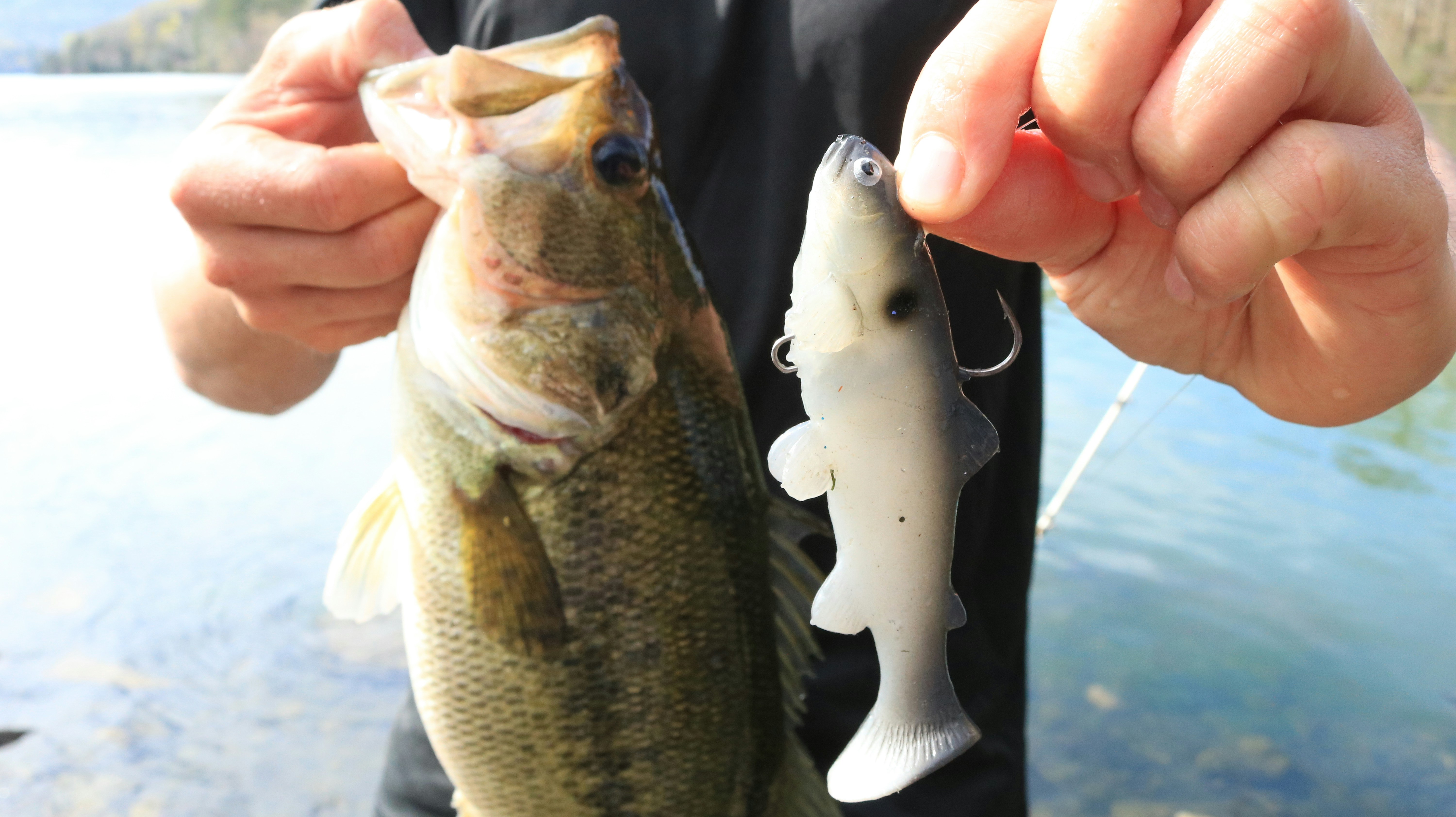
Introduction to Post-Spawn Bass Behavior
The post-spawn period is a critical stage in the life cycle of bass, significantly influencing their behavior and feeding patterns. After the intense and energy-consuming spawning process, which generally occurs in late spring, bass show notable changes in their activity levels and location preferences. Anglers often report a decline in bites during this phase, which can be attributed to physiological and environmental factors affecting their behavior.
During the spawn, bass are heavily focused on reproduction, which means they occupy shallow waters to build nests and safeguard their fry. Once spawning is complete, bass tend to move from these shallow nesting areas into deeper waters as they seek refuge from potential predators and changing water temperatures. This transition can profoundly affect their availability and willingness to engage with bait, leading to the perception among anglers that the bass are no longer biting.
Furthermore, the post-spawn phase often aligns with variations in water temperature and conditions, which can further influence bass food preferences. As they recover from the energy expenditure of spawning, their appetite may fluctuate, causing temporary lulls in feeding activity. During this time, bass tend to be more selective and cautious, making them harder to catch. Consequently, understanding these changes in behavior and location is essential for successful angling during the post-spawn period.
By recognizing the factors driving the decline in bass activity post-spawn, anglers can adjust their strategies to match the fish’s current habits. This knowledge helps in optimizing fishing techniques and bait selection, ultimately improving the chances of landing bass during this challenging yet rewarding time of year.
Understanding the Spawn Cycle of Bass
The spawn cycle of bass is a critical period that significantly affects their behavior and catchability. Typically, bass spawning occurs during the spring, when water temperatures rise to approximately 60 to 75 degrees Fahrenheit. This temperature range serves as a biological trigger for both male and female bass to engage in the spawning process. Environmental conditions such as water clarity, weather patterns, and lunar phases also play a crucial role in determining the exact timing of the spawn.
During spawning, male bass exhibit various behaviors to attract females and prepare nesting sites. Males are responsible for finding a suitable location for the nest, often choosing shallow areas with cover such as weeds, rocks, or submerged structures. Once a female arrives, she will lay her eggs in the nest, after which the male fertilizes them. Following this, the male takes on the responsibility of protecting the eggs until they hatch, which is generally within a week or so, depending on water temperature.
It is essential to note that during the spawning phase, bass behavior changes dramatically. They become more territorial and aggressive, making them easier to catch during specific times. However, once spawning is completed, bass tend to retreat to deeper waters, often becoming less active and harder to target. The drop in activity is largely due to the energy expenditure during spawning and a shift in their feeding patterns as they recover. Understanding this spawning cycle is vital for anglers who wish to adapt their strategies post-spawn, as recognizing when and where bass are likely to be found can significantly improve fishing success.
The Reasons for Decreased Activity Post-Spawn
Post-spawn, bass exhibit a notable decrease in activity, primarily due to several intertwined factors that affect their behavior. One of the primary reasons is post-spawn stress. During spawning, bass expend considerable energy in guarding their nests and ensuring the survival of their offspring. Once this demanding period concludes, many female bass experience significant fatigue, which results in a temporary cessation of feeding and a decrease in aggressive behavior.
Additionally, energy depletion plays a crucial role in lowering the fishing activity of bass. The demanding nature of spawning drains vital energy reserves, compelling bass to seek recovery periods in deeper, more secluded waters where they can conserve energy. During this transition, their activity levels drop significantly, leading anglers to notice a marked reduction in bites.
Habitat changes also contribute to the decreased activity of bass post-spawn. After the spawning season, bass often shift from shallow spawning areas to deeper structures, such as submerged vegetation and rocky bottoms. This shift is typically a response to increased water temperatures and altered water levels resulting from seasonal changes. As bass adapt to their new environments, they become less accessible to anglers trying to catch them.
Moreover, the availability of food resources can fluctuate after spawning. Typically, forage species, such as minnows and insects, also experience their own life cycles. The sudden abundance of food or its scarcity can lead to a change in the feeding patterns of bass. When food sources are abundant, bass may not be as eager to bite on lures, as they do not feel the pressure to feed competitively.
Identifying Post-Spawn Bass Locations
After the spawn, bass behavior shifts significantly, making it crucial for anglers to adapt their strategies. Understanding the new habitats and preferred locations of bass during this period is vital for successful fishing. Post-spawn bass typically relocate to deeper waters and key structures in search of stability and food resources. One of the primary areas where anglers can find bass post-spawn is around deep structures, including submerged rocks, ledges, or brush piles. These locations provide cover and ambush points where bass can easily hunt for prey.
Transitional areas between spawning flats and deeper water also serve as crucial habitats for bass during this phase. As water temperatures fluctuate and food sources become more abundant, bass tend to move back and forth between shallow and deep waters. These transitional zones offer a prime opportunity to catch these fish as they stage for feeding. Anglers should look for changes in depth, vegetation, and underwater topography when scouting for these areas.
Moreover, bass often congregate around channel edges and drop-offs where they can exploit the current for food. Utilizing depth finders or fish finders can greatly enhance the efficiency of locating these underwater structures. During post-spawn, observing the surrounding environment for signs of baitfish activity, such as surface disturbance or larger predator fish, can also provide hints about bass whereabouts. By focusing efforts on these key locations, anglers can increase their chances of successfully catching bass during these challenging post-spawn conditions.
Adjusting Fishing Techniques for Post-Spawn Success
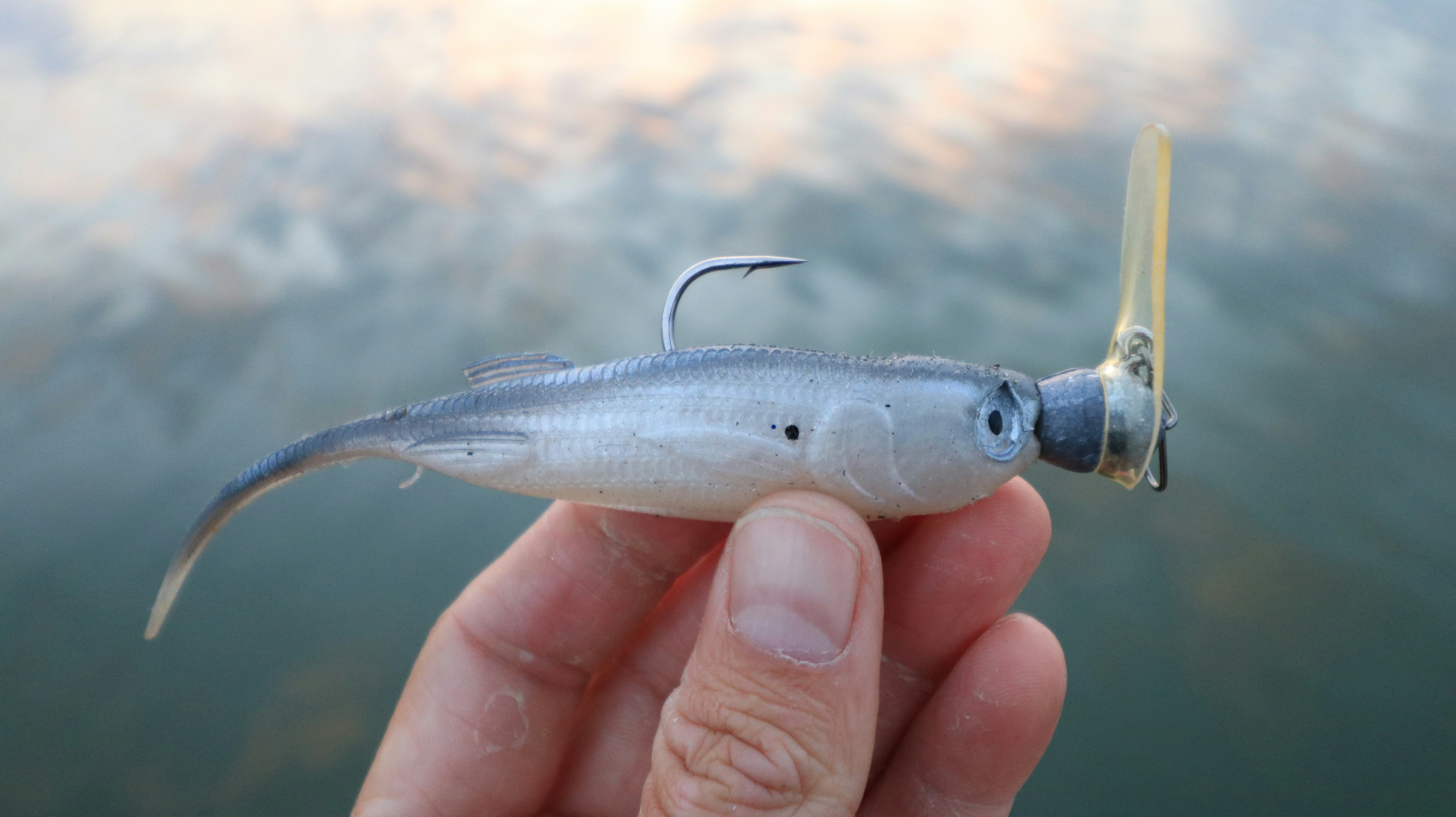
After the spawn, bass behavior significantly changes, which means anglers must adapt their fishing techniques to continue enjoying success. One of the most crucial elements in this adaptation is adjusting lure selection. During the spawning phase, bass are often aggressive and territorial; however, post-spawn, they become more wary and selective. Therefore, transitioning to softer plastics, finesse baits, or smaller jigs can be effective. These lures often mimic the natural forage the bass seek at this time.
Another essential factor to consider is the speed of retrieval. Post-spawn bass may be less inclined to chase fast-moving lures, so it’s advisable to slow down your retrieval to entice bites. Techniques such as dragging worms along the bottom or employing a slow, consistent pace with crankbaits can help trigger strikes. This slower approach also enables anglers to thoroughly cover key areas where bass may be holding, particularly near cover or drop-offs, which are common resting spots for post-spawn fish.
Moreover, fishing depths can greatly impact success rates during the post-spawn period. Once bass have completed the spawning process, they often move to deeper waters or areas with cover to recuperate. Anglers should focus their efforts on these submerged points, drop-offs, and shaded areas, as they provide safety and access to prey. Adjusting fishing depth through the use of weighted presentations can help maintain contact with fish holding in these locations.
In summary, adapting techniques for post-spawn bass fishing entails thoughtful lure selections, slowing down your retrieval rates, and targeting depths where fish are likely to be resting. Implementing these strategies can greatly improve your chances of landing bass during this transition period.
Choosing the Right Bait for Post-Spawn Bass
When targeting bass in the post-spawn period, selecting the appropriate bait proves crucial for enhancing your chances of success. After spawning, bass tend to be more selective with their feeding habits. They transition from the shallows to deeper waters where they seek food sources that provide ample nourishment. Understanding these dynamics is essential for anglers aiming to increase their catch rates.
One of the most effective types of bait for post-spawn bass is soft plastics. These versatile baits can mimic the movement and appearance of prey like worms, lizards, and other bottom-dwelling organisms that bass feed on during this time. Utilizing finesse techniques, such as wacky rigging or Texas rigging, can entice even the most discerning bass. Additionally, selecting colors that are natural to the specific bodies of water can greatly enhance your chances of a successful bite.
Jigs are another excellent choice for post-spawn bass fishing. Their ability to be worked along the bottom, coupled with their realistic profiles, makes them attractive to bass scavenging for sustenance. Opt for jigs in earthy tones and ensure they are paired with a suitable trailer to provide added movement and visual appeal. This can make a significant difference in enticing bass that are likely hiding in heavier cover.
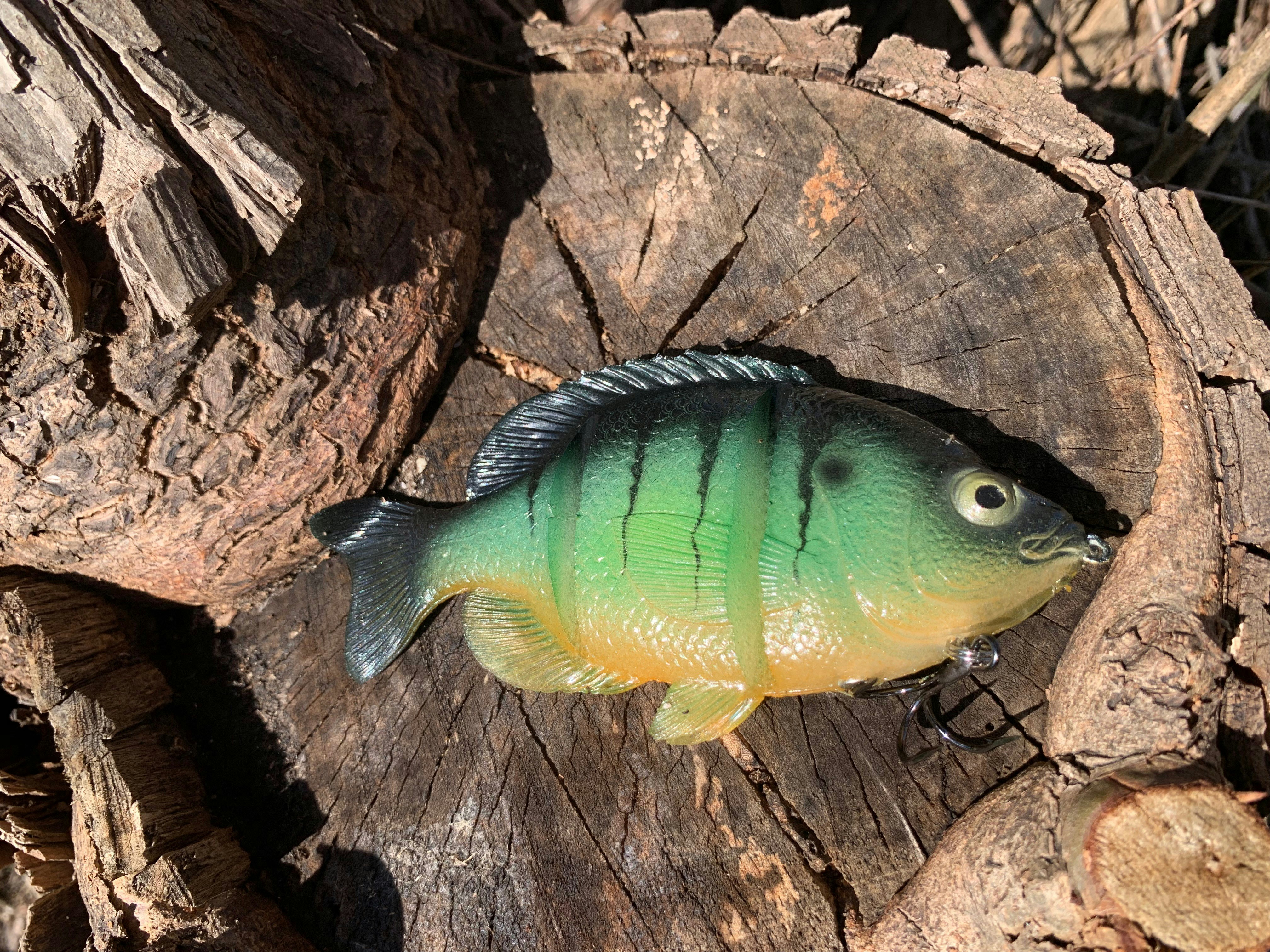
Lastly, crankbaits can also prove effective during the post-spawn phase. These baits can cover a large area, effectively mimicking baitfish that bass may target. Diversifying your retrieval speed can help trigger strikes, as it closely relates to the varied feeding behaviors of bass. Colors and depth settings should align with the current water conditions to optimize results.
In conclusion, by utilizing the right combination of soft plastics, jigs, and crankbaits, anglers can significantly increase their success rates when fishing for bass after the spawn, adapting their strategies based on the specific feeding preferences of post-spawn bass.
Timing Your Fishing: Best Days for Post-Spawn Bass
Understanding the timing of your fishing trips is crucial when targeting bass after they have spawned. The post-spawn period can be characterized by specific behavioral patterns, where bass often become less active and more elusive. Identifying the best days to fish involves considering several factors, including weather patterns, water temperature, and lunar phases.
Firstly, weather plays a significant role in bass activity. Generally, stable weather conditions, characterized by consistent temperatures and low wind, foster better fishing opportunities. Mornings after a warm front moves through can yield fruitful results, as bass tend to become more active following a temperature increase. Conversely, cold fronts can cause bass to retreat into deeper water, making them more challenging to catch during this time. Additionally, overcast days can prove advantageous; clouds provide cover for bass, encouraging them to venture out of their hiding spots.
Water temperature is another critical aspect to monitor. After spawning, bass generally seek out warmer waters, often lingering in shallow areas during the day. The ideal water temperature for fishing post-spawn bass ranges between 68°F and 78°F. During warmer afternoons, bass are likely to be more active and willing to strike at bait. Utilizing a thermometer can assist anglers in pinpointing these temperature preferences and allow for more effective fishing strategies.
Lunar phases can also impact fishing success. Many experienced anglers believe that the best days to fish for bass occur around the new and full moons, as these lunar phases coincide with increased feeding behavior. During these times, bass activity increases, making the likelihood of catching them significantly higher.
Utilizing Electronics for Post-Spawn Bass Fishing
The use of electronics in bass fishing has revolutionized the way anglers locate and target fish, particularly in the post-spawn phase. Fish finders and sonar technology allow fishermen to navigate waters with enhanced precision, identifying not only the presence of bass but also their behavior and movements after the spawn. This phase can be challenging, as bass often retreat to deeper areas, making them less accessible to traditional fishing methods.
Modern fish finders equipped with advanced sonar technology, such as CHIRP (Compressed High-Intensity Radiated Pulse), provide detailed images of the underwater landscape. With CHIRP, discernible targets appear with greater clarity, making it easier for anglers to identify schools of fish and determine their depth. Understanding these sonar readings can be pivotal; for instance, if you notice bass suspended off the bottom, it may indicate that they are looking for easy prey or resting after the stressful spawn.
Additionally, utilizing features like side imaging and down imaging can expand the scope of your search. These tools allow anglers to see structures and changes in the underwater environment, which are crucial in understanding bass behavior. Post-spawn bass often seek areas that offer cover or cooler temperatures, such as submerged structures, ledges, or even vegetation. By focusing on these hotspots, one increases the chances of making successful catches.
It is also beneficial to observe the weather patterns and water conditions while interpreting electronic readings. For example, bass may be more active during overcast days or in the early morning and late evening, aligning their activity with specific environmental factors. By effectively combining the insights gained from electronics with an understanding of bass behavior, anglers can greatly enhance their fishing strategies during the post-spawn period.
Conclusion: Putting It All Together to Maximize Your Catch
Understanding the bass fishing landscape post-spawn is crucial for anglers aiming to maximize their catch. As discussed, bass behavior changes significantly after the spawning period, which can lead to a decline in bites. This decline is often influenced by various factors including water temperature, nesting fatigue, and food availability. Recognizing these changes allows anglers to tailor their strategies to improve their odds of a successful outing.
As the focus shifts from spawning habits to post-spawn behavior, anglers should consider adapting their techniques and lures. Techniques such as targeting deeper structures, employing slow presentations, and experimenting with different lure types can make a notable difference in attracting bass. For example, using soft plastic baits or jigs can provide an enticing offering that matches the changing dining preferences of post-spawn bass. By understanding the specifics of bass behavior in different environmental conditions, anglers can optimize their fishing efforts.
Moreover, patience and experimentation are key components in developing successful fishing strategies during this period. Take the time to observe changes in bass behavior and be willing to adjust your approach accordingly. Effective communication with other anglers and participating in local fishing communities can also provide valuable insights into successful methods and conditions.
In summary, adapting your fishing techniques post-spawn is essential for those seeking to enhance their bass catches. Embracing flexibility in your strategy and continuously learning about bass behavior can not only increase your chances of success but also enrich your fishing experience. Happy fishing!
About The Author