Best Bass Fishing Lures for May 2026: Post-Spawn Baits That Actually Catch Fish

Understanding Bass Behavior Post-Spawn

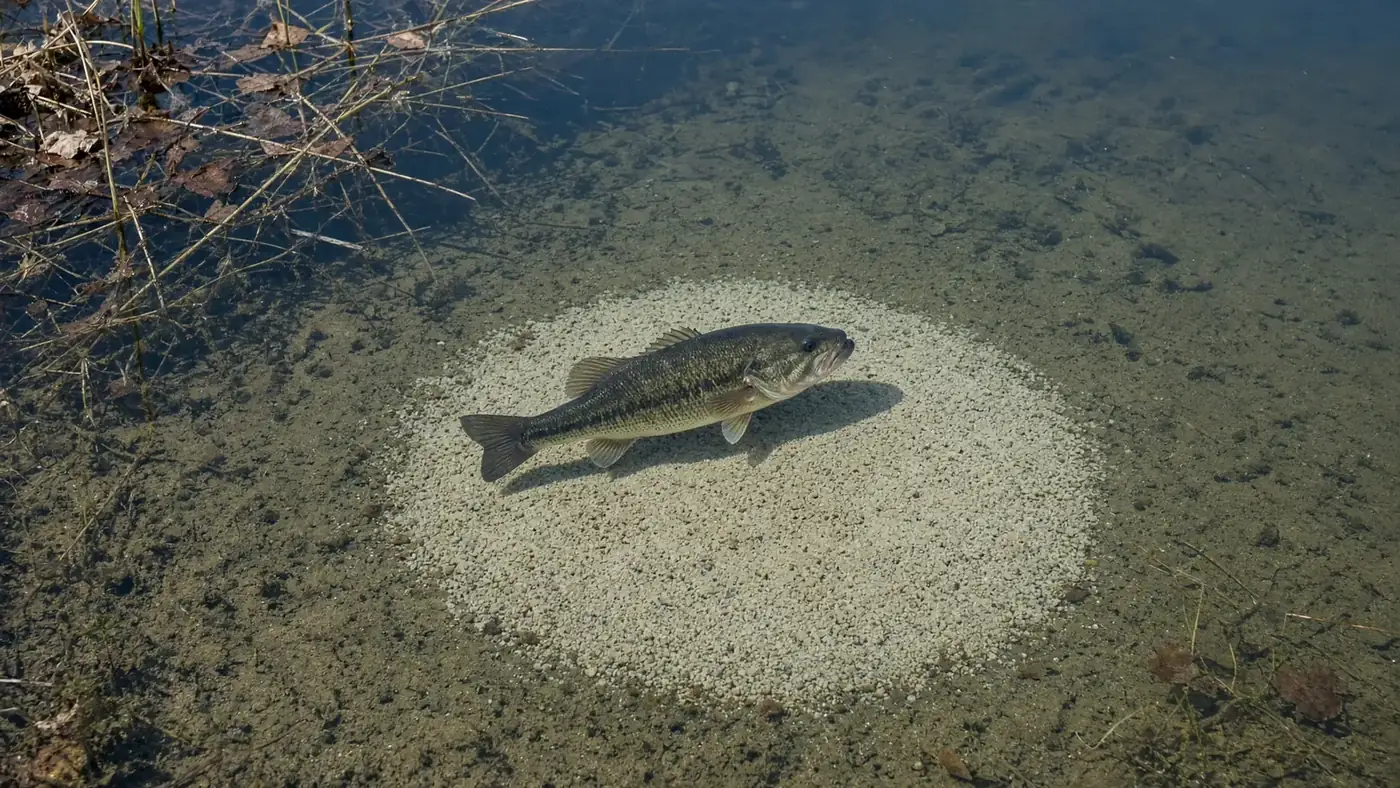
Post-spawn is a critical period for bass as they transition from the reproductive phase to a more recovery-focused lifestyle. During this phase, bass exhibit marked changes in their behavior and habitat preferences, which are crucial for anglers to understand. Following spawning activities, bass tend to move from shallow spawning areas to deeper structures. This migration often depends on the water temperature and clarity.

Feeding habits also significantly shift after the spawn. Bass, having expended considerable energy during the reproductive process, enter a recovery phase where they are more focused on foraging. The warming of water temperatures typically leads to increased activity levels. However, the behavior can vary depending on the region and local environmental factors. In cooler waters, bass may be sluggish, while warmer temperatures provoke more aggressive feeding behavior.

The psychological factors at play during post-spawn are equally important. Following the stressful spawning period, bass might be more skittish and cautious when encountering artificial lures. Anglers must adjust their strategies, opting for subtler approaches and finesse techniques rather than aggressive tactics that might have worked pre-spawn. Lures that mimic the movement of natural prey can prove more effective, as bass tend to focus on recovering their energy by targeting easier meals during this period.

Moreover, factors such as weather changes, water levels, and competition from other anglers can influence bass behavior post-spawn. Anglers would benefit from employing a strategy that includes varied bait selection and adapting to changing conditions. By understanding these nuances in bass behavior, anglers can enhance their chances of success during this transitional fishing window.

Top 5 Post-Spawn Lures for Bass Fishing

Targeting bass during the post-spawn period in May is crucial for anglers, as the fish are actively seeking food after their spawning cycles. Here are five effective lures specifically designed to attract these hungry bass.

1. Jerkbaits: These lures are highly effective during the post-spawn season. Their erratic motion mimics dying shad, a primary food source for bass during this time. A slow retrieve followed by occasional pauses can trigger reaction bites from bass that are protecting their territory. Colors such as shad patterns or bright chartreuse work well in murky waters.

2. Spinnerbaits: Known for their versatility, spinnerbaits can be fished in various depths and cover. Their spinning blades create vibration and flash, attracting bass. When choosing a spinnerbait, opt for sizes between 1/4 oz to 1/2 oz, and color combinations that match local forage can yield great results. A steady, uniform retrieve typically garners success.

3. Soft Plastic Swim Baits: These lures closely resemble the natural prey of bass, particularly when they are in post-spawn recovery phases. Rigging them on a weighted hook allows for a lifelike swimming action. Ideal colors often include white, silver, or natural hues. Fish them around structure or over submerged grass beds for optimal results.

4. Crankbaits: These lures can dive to various depths, making them perfect for covering water quickly. A square-bill crankbait is ideal for deflecting off cover and triggering strikes from aggressive post-spawn bass. Utilize a fast retrieve, and consider using bright colors or natural baitfish patterns based on clarity conditions.

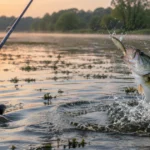
5. Topwater Lures: During early morning or late evening, topwater lures can evoke explosive surface strikes. Choosing a popper or walking bait can create disturbances that bass find irresistible. Opt for colors like bone, black, or bright blue to maximize visibility and contrast against the water surface.

Understanding these lures, their features, and how they mimic bass prey plays a pivotal role in improving angling success during the post-spawn season. Utilizing specific colors and techniques tailored to local conditions is crucial for enhancing your fishing experience.

Crankbaits: A Reliable Choice

When it comes to bass fishing in post-spawn conditions, crankbaits continuously stand out as a top choice among anglers. These lures are specifically designed to mimic the erratic movements of distressed baitfish, making them particularly effective for enticing bass that are recuperating after spawning. During this period, bass often seek to regain energy and will actively pursue lures that simulate their natural prey.

One of the primary reasons crankbaits excel during May is their versatility. Crankbaits come in various shapes, sizes, and depths, allowing anglers to target bass at different levels within the water column. For post-spawn fishing, shallow diving crankbaits tend to perform exceptionally well as bass frequently populate this zone while foraging. A classic choice is the square-billed crankbait, which excels in covering shallow areas and avoids snagging on cover due to its unique design.

When selecting crankbaits, consider colors that mimic local forage. Natural hues such as shad, bluegill, or crawfish patterns usually generate positive responses from bass. Additionally, variations in crankbait sound and action can influence bass behavior. Some crankbaits feature rattles that create noise to attract fish, while others offer a silent approach, appealing to more wary bass species. Experimenting with these options can significantly enhance your chances of success.

In terms of technique, a steady retrieve is often effective; however, incorporating stop-and-go methods can trigger aggressive strikes as bass react to the changing speed. Varying your retrieve speed and adding occasional twitches can also increase your lure’s appeal and draw in more fish. Utilizing crankbaits as a reliable option for post-spawn fishing empowers anglers to adapt to various conditions, ensuring a higher likelihood of a productive fishing trip.

Jigs: Versatile and Effective

Jigs are among the most versatile and effective bass fishing lures available to anglers, especially during the post-spawn period. Their design allows for a variety of presentations, making them suitable for different fishing conditions and environments. Jigs typically consist of a weighted head and a hook, with various types of trailers that can be added for enhanced attraction. Popular jig types include flipping jigs, football jigs, and finesse jigs, each serving a unique purpose.

When rigging jigs for post-spawn fishing, it is essential to consider the chosen type of jig and its intended application. For instance, flipping jigs are ideal for heavy cover, as they can penetrate dense vegetation effectively. On the other hand, football jigs excel on rocky bottoms due to their shape, which helps them navigate obstacles while mimicking prey. Additionally, finesse jigs are particularly effective in clear water, enticing bass that may be more wary post-spawn.

Choosing the right color and size of jigs is critical for success. In clearer water, natural colors such as green pumpkin, watermelon, or bluegill patterns tend to be more effective, while darker colors like black and blue may work better in murky or stained waters. The size of the jig is also crucial; smaller jigs are often preferred in cooler, post-spawn conditions as they can more closely resemble injured baitfish. Conversely, opting for a larger jig can make a significant impact when targeting larger bass that are actively feeding.

Consideration of locations is vital when employing jigs. Areas such as rocky outcrops, submerged structures, and transition zones between different cover types can be particularly productive. Additionally, focusing on deeper water where bass may retreat post-spawn can yield positive results. Overall, by understanding how to effectively use jigs, you can significantly improve your chances of catching bass during this critical fishing period.

Soft plastics have long established themselves as a staple in the tackle boxes of angling enthusiasts, particularly during the post-spawn period when bass actively seek to replenish their energy. One of the primary advantages of soft plastic lures lies in their versatility and ability to mimic natural forage. These lures come in a variety of shapes and sizes, including worms, creature baits, and swimbaits, allowing anglers to select a presentation that aligns with the local forage species typical of the area.

Worms and creature baits are particularly effective during this time. Long, slender worms can be rigged in various ways, such as Texas or Carolina rigging, which allows for a stealthy approach to presenting the bait. Similarly, creature baits resemble crayfish and other aquatic life that bass often prey upon during the post-spawn phase. Their bulky profiles and various appendages create enticing movement in the water that can trigger aggressive strikes from nearby fish.

Swimbaits, on the other hand, provide an entirely different approach. These lures mimic the swimming action of baitfish, a primary food source for post-spawn bass. The realistic movement can be heightened by incorporating varying retrieval speeds and techniques. For instance, a slow, steady retrieve can imitate injured or lethargic baitfish, triggering predatory instincts in hungry bass, while a faster retrieve may provoke reaction strikes.

Presentation techniques are paramount when deploying soft plastics effectively. The way a lure is rigged, alongside the chosen retrieval speed, can significantly influence angling success. It is essential to experiment with these factors throughout the fishing process, as what works on one day may not yield the same results the next. Therefore, maintaining versatility in both lure type and presentation method will enhance an angler’s ability to connect with post-spawn bass.

Topwater Lures: Active Feeding Times

As May approaches and the water temperatures begin to rise, bass enter a more active feeding phase, making it an excellent time to utilize topwater lures. These lures are particularly effective during early mornings or late evenings when the water is calm and the bass are hunting for surface prey. During these active feeding times, noise and movement at the water’s surface can trigger aggressive strikes from bass that are eager to feed.

There are several varieties of topwater lures that anglers can choose from based on specific fishing scenarios. Popper lures, which create a splashing noise when retrieved, are particularly effective on calm mornings when bass may be lurking just below the surface. Another great option is the walking bait, which mimics the movement of a struggling baitfish. This type of lure is best utilized in areas with heavy vegetation or around structure, where bass are likely to ambush their prey.

For those fishing in slightly rougher conditions, using a buzzbait can be an advantageous choice. Its distinct sound creates a commotion on the surface, attracting attention even in windy situations. To entice more strikes, varying the retrieve speed can be crucial—sometimes a slow, steady retrieve can make a lure appear more natural, while other times a fast twitch can incite an aggressive response.

Anglers should be mindful of the bass’s behavior and activity level, as these factors greatly influence the effectiveness of topwater lures. Observing the water for signs of feeding activity, such as surface disturbances or jumping fish, can indicate the perfect moments to deploy these lures. Overall, mastering the use of topwater lures during the May period can lead to an exciting and productive day on the water.

Fishing Techniques for Post-Spawn Success

Post-spawn bass fishing presents unique challenges and opportunities for anglers. Understanding the behavior of bass during this phase is essential for selecting the right techniques and lures. After the spawn, bass generally experience a period of recovery and can be less aggressive than they were prior to spawning. They tend to seek shelter and can often be found in shallower waters near structure such as fallen trees, rock piles, and submerged vegetation.

When targeting post-spawn bass, it is crucial to choose the appropriate fishing techniques that align with their behavior. First and foremost, opt for a slower retrieve. As the fish recuperate, they may not be inclined to chase after fast-moving lures. Techniques such as “shaky head” or “wacky rigging” can prove effective, allowing the lure to undulate naturally in the water. These methods mimic the movements of baitfish or worms, making them attractive to bass.

The timing of your fishing trips can greatly impact your success. Early mornings and late afternoons are typically more productive during the post-spawn phase when bass are most active and willing to forage. On overcast days, bass can be even more aggressive, as the cloud cover reduces light penetration, thus encouraging them to move into shallow areas in search of food.

Location is equally important when aiming for post-spawn bass. Pay close attention to temperature changes in the water and look for areas that feature a mix of shallow and deeper waters, as bass often hold at the edges of these transitions. Using a combination of lures—such as soft plastics, spinnerbaits, or crankbaits—can help entice bass into biting. Ultimately, adopting a methodical approach and adjusting your techniques according to the specific conditions will enhance the likelihood of a successful catch.

Weather and Water Conditions to Watch

Understanding the weather and water conditions is crucial for successful bass fishing, particularly in May when the fish are in the post-spawn phase. During this time, bass behavior is influenced by several environmental factors, including temperature fluctuations, cloud cover, and water clarity. Each of these elements plays a vital role in determining where and how anglers should fish.

Temperature is one of the most significant factors affecting bass location and feeding patterns. As water temperatures rise in May, typically ranging from 65°F to 75°F, bass become more active and start moving to shallower waters to hunt for food. However, if a sudden cold front occurs, it can cause bass to retreat to deeper areas, making them less likely to bite. Anglers should closely monitor any shifts in temperature and adapt their strategies accordingly. For instance, during warmer days, using topwater lures might yield better results, while deeper diving crankbaits or jigs may be more effective if the water cools unexpectedly.

Cloud cover can significantly alter bass behavior as well. Overcast days often lead to increased confidence for bass to venture into shallower areas, making it an opportune time for anglers to exploit this behavior. On sunny days, bass may seek shade under docks or submerged structures, requiring fishermen to adjust their approach. Water clarity is another critical factor; clear water may necessitate the use of more natural-colored lures, while murkier conditions may call for brighter and louder options to attract fish. Anglers should assess the visibility level and modify their lure choice to match the conditions.

These seasonal conditions play a vital role in shaping the strategies you will need to employ while fishing for bass during this critical time of year. By being attentive to changing weather and water conditions, anglers can enhance their chances for a successful outing.

Conclusion: Preparing for a Bountiful May

As we wrap up our discussion on the best bass fishing lures for May 2026, it is essential to highlight the significance of selecting the appropriate baits and mastering effective techniques for post-spawn fishing. During this critical period, bass behavior shifts, and understanding these changes can greatly influence your success on the water. By harnessing the right lures, including soft plastics, topwater baits, and jigs, anglers can significantly enhance their chances of enticing those elusive bass that have just completed their spawning cycle.

Moreover, the adaptability of anglers is paramount when approaching fishing in May. Weather patterns, water temperatures, and even local forage can dramatically affect bass activity and feeding habits. By remaining flexible in your strategy, you can better respond to these variances. For instance, if you notice an unexpected cold snap, it might be wise to switch to slower presentations that appeal to bass that may be reluctant to chase faster-moving lures.

Additionally, don’t hesitate to experiment with different colors, sizes, and retrieve techniques. Each water body can harbor unique conditions that may require a tailored approach. Utilizing electronic fish finders and paying attention to depth and structure can also help propel your fishing experiences to new heights. Remember, the world of bass fishing is filled with nuances, and sometimes it’s the subtle variations that yield the best results.

In conclusion, equipping yourself with knowledge about lures, techniques, and adaptability will position you for a rewarding fishing experience this May. Set out with an open mind and let the conditions guide your choices, and you are likely to experience a bountiful season filled with successful catches.